Democracy and discipline: Object lessons and the stereoscope in American education, 1870–1920
Dublin Core
Title
Democracy and discipline: Object lessons and the stereoscope in American education, 1870–1920
Subject
Virtual reality, stereoscopes
Description
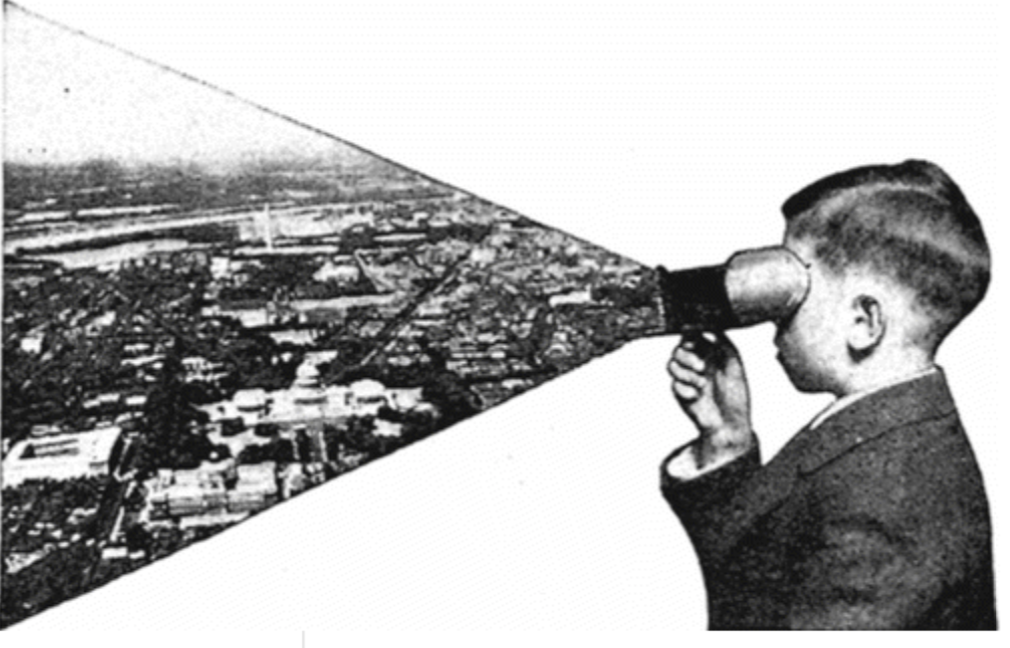
This article explains the use of stereoscopes in the early 1900's for educational purposes. This began what was known as the "visual instruction movement." In terms of relevant social groups, this allowed students of any socioeconomic status to view places in 3-D -- places that they might not have otherwise been able to see, due to the cost of travel. It is also worth noting that, through the use of stereoscopes, teachers were able to control exactly what students could see and when they could see it. Even at this time, there was much debate about children interacting with visual media in habitual and mechanical ways, and whether or not this would promote visual discipline in schools..
Creator
Meredith A. Bak
Source
https://www.tandfonline.com/doi/full/10.1080/17460654.2012.664746?scroll=top&needAccess=true
Publisher
Journal of Early Popular Visual Culture
Date
March 21st, 2012
Contributor
Annemarie Guske
Rights
rights unknown
Language
English
Type
journal entry
Files
Collection
Citation
Meredith A. Bak, “Democracy and discipline: Object lessons and the stereoscope in American education, 1870–1920,” HistoryStudent—Omeka Sites, accessed November 16, 2026, https://schrag.reclaim.hosting/omeka/items/show/358.