Alcohol - Future
INTRODUCTION
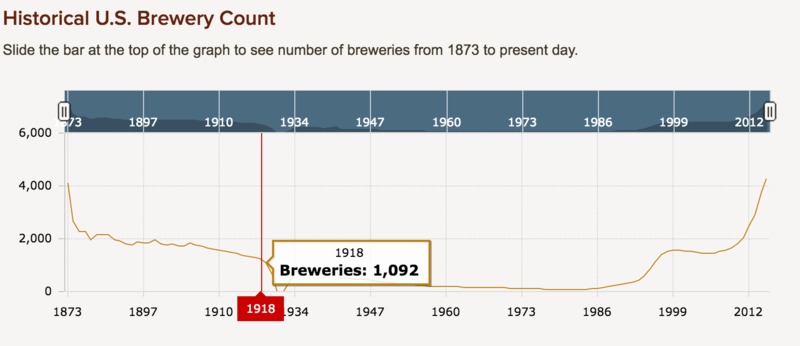
Our present page detailed the growth of craft alcohol's popularity in the modern era. This chart shows the number of breweries in the United States in the past few centuries, which provides an insight to the changing tastes in the United States over time. In 1873, the United States had over 4,000 breweries, but with the rise of mass production, competition began to narrow this number down. After prohibition, we notice a small and steady amount of breweries until the number spiked up again in the past decade. The shift in consumer tastes to appreciate craft and local beer has contributed to this increase in the number of breweries today. As tastes continue to change the brewing market, we wonder what the industry will look like in the future. Will we continue to see the craft industry grow? How will consumer tastes change? What technological developments will change how alcohol is produced?
It is arguable that the craft industry will continue to grow, as a greater shift in food consumer patterns are seen. When examining the innovation of bread (insert hyperlink to past page), for example, one sees a shift towards “artisanal” styles of bread, ultimately moving away from the appeal of the uniform, spongy texture that sliced Wonder bread had during the 1950’s. There is also a greater appeal for more wholesome, healthy options than there used to be, a Wall Street Journal article reveals. These trends are similarly seen in the beer brewing industry—for example, there is an increase of gluten-free options available for drinkers, and an appeal for a more individualized population. While Budweiser used to be considered a favorable beer due to its simplistic palette, there has been a lean towards variety: one can bring a six pack of mango-habanero brew to a party, and set it next to a rich chocolate stout.
Through these noticeable shifts, it is therefore argued that the craft industry will continue to expand, and that consumer tastes will continue to become more individualized. Through these consumer shifts, technological developments will continue to change in order to meet the needs of the consumer demand.
Do We Want to be Buzzed?
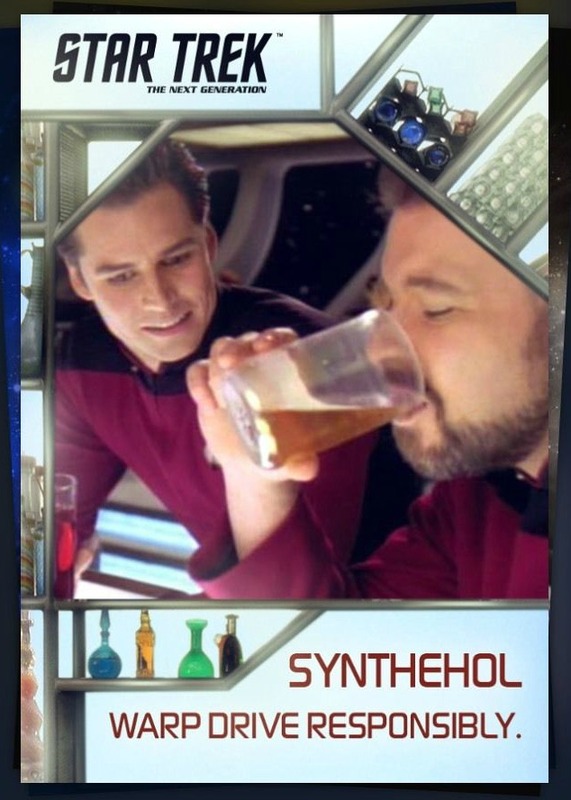
Star Trek is futuristic science fiction series created in 1966 that tells the tale of the crew of the starship Enterprise and its mission "to boldly go where no man has gone before." It takes place in outer space and has aliens as many of the main characters alongside humans. The main characters in Star Trek are required to pilot a space ship and they need to be fully sober at all times. This means they cannot drink regular alcohol. Synthehol is a synthetic alcohol that gives the user the taste of alchohol without any of the negative after-effects such as drunkeness or hangovers. The user does experience the illusion of intoxication, but this fake buzz can be "reversed" with a simple pill.
This synthetic alcohol has many future implications for modern society. According to a science fiction forum, researchers at Imperial College London are working to create an "alcohol-like drug that would let imbibers experience a pleasant state of inebriation without worrying about becoming drunk, hungover, or physically addicted to the substance." In other words, a real-life "Synthehol". The team is looking at the use of benzodiazepines (the main ingredient found in Valium) to achieve the desired effect.
Both of these science fiction alcoholic beverages tell us about what people might look for in alcohol and why they might drink it. Star Trek shows us that people love the feeling of getting buzzed, as well as the taste of alcohol, but they don't like the negative sides effects such as impaired judgement or headaches and nausea.
While the concepts depicted in Star Trek were meant for science fiction/fantasy purposes, the ideas behind synthehol are not far from reality. As reported in the Telegraph UK article, "Get Drunk without a hangover on synthetic booze", Rebecca Callander reports that Professor David Nutt "has developed two new drugs that could do away with liver damage and alcohol-induced shame" (1). For a long time, people have rumored the need for a creation of this product, echoing off if we could be just like the characters in the episodes of Star Trek. But Nutt not only tackled the idea of removing the hangover effect from alcohol but has also patented and worked out chemical formula's for 'chaperone'. Chaperone can be taken while consuming alcoholic beverages but would stop the person from being drunk at the level of incapacitation. While that is the case for those who drink multiple times within a given time, the pill can also serve as a 'sober up pill' reducing alcohol content before they get in a car and drive. These realities that are currently being experimented on may become reality, like that depicted in Star Trek: The Next Generation.
(1) Burn-Callander, Rebecca. "Get Drunk without a Hangover on Synthetic Booze." The Telegraph. Telegraph Media Group, 22 Jan. 2015. Web. 02 Dec. 2016.
Should we remove aspects from alcohol?
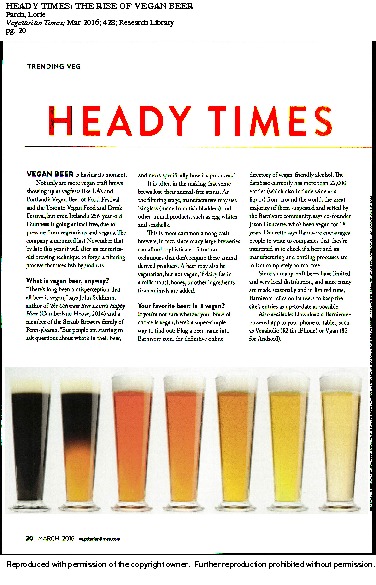
Craft breweries are coming up with new and enticing ways to lure in their customers, further shifting the market share away from large manufactures. Part of that has been due to the success of a small production line that allows these smaller brewers to gauge the wants and needs of their clientele and create a higher quality product for them. Thus the rise of Vegan Beer, a popular item that came about because the clientele requested a change in the distillation process for those that choose to pursue a vegan lifestyle.
The success of vegan beer has been so popular, that medium size brand-name manufactures such as Guinness based in Dublin, Ireland have begun to change their distillation processes. While the mid-size brands may not produce the smaller craft beers, this transition has taken place so that they can appeal to those that wish to consume certain times of products. The smaller craft brewers and some mid-size brewers during the filtering stage of production use "inglass (made from fish bladders) and other animal products, such as egg whites and seashells" (Parch 2016). This is because they do not have or cannot afford the sophisticated filtration systems that are owner by larger beer manufactures.
However, with the rise of vegan beer, it is important to look at the lead users as they (vegans in this case) are the ones driving the changes in the industry even though they may not be directly associated with the production of the product. In Eric von Hippel et. al.'“Creating Breakthroughs at 3M”and Sampsa Hyysalo et. al.'“User Innovation in Sustainable Home Energy Technologies” they discuss the importance of lead users in the advancement and apadtations of technologies. In the first article, the authors assert the claim that "All processes designed to generate ideas for products begin with information collected from users. What separates companies is the kind of information they collect and from whom they collect it. (Eric von Hippel, Stefan Thomke, Mary Sonnack)”. The users drive the industry and contribute to the success of that respective company or niche in the economy. Like vegans have made an impact in having more animal and friendly products created for them, the rise of craft beer had similar origins with individuals demanding a higher quality product from locally grown ingredients.
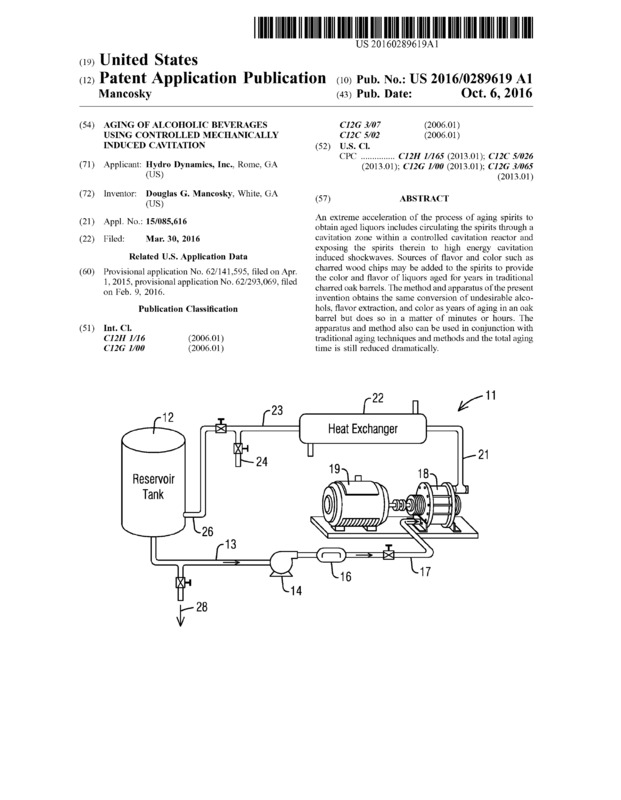
Continuing with this question of whether or not the future of alcohol serves to strip specific aspects of alcohol that was of value in the past, remains a patent describing a device that is able to produce distilled spirits and wine within minutes or hours. This “removes” from what consumers have previously valued within alcohol production, is time. In essence, the method and apparatus of the present invention obtains the same conversion of undesirable alcohols, flavor extraction, and color as years of aging in an oak barrel but does so in a matter of hours. The apparatus and method can also be used in conjunction with traditional aging techniques and methods and the total aging time is still reduced dramatically (57). Now, consumers are able to purchase these tasteful, quality drinks that have the same luxurious effect as wine or spirit that has been distilling for a long period of time. What this does is allow for companies to quickly produce these alcoholic drinks and manipulate the age of it in order to meet the need of a consumer who values an alcoholic beverage with a tasteful edge to it. With the removal of time out of the production process, what is this sudden shift in production saying? Alcohol that takes a multitude of years to make now can be chemically formulated within this device in a matter of hours, so does this now have a shift in the ways in which we value how we previously drink and thus produce alcohol?
With this device, companies are now able to greatly able to expand their stockage of any aged, alcoholic beverage while still satisfying the needs of consumers who are looking to buy alcohol for the exquisite, smooth, and matured taste of a drink. This patent could indeed shift the way in which aged spirits and wine are produced. This sudden shift means that it takes less time to be able to produce aged liquor and wine, meaning now companies can begin aging at an exponentially higher rate. Could this mean that mass brewing companies and distilleries could in fact monopolize further into the market of “artisan” liquors by using this method of mass producing this beverage technology? The need for time and patience will no longer be applicable if this patent develops into a new invention within the beer and liquor industry, leaving this question of great . However, it will remain a valuable question to see if aged liquor will thus be quickly massed produced, shifting the value from a slow, steady and authentic brewing methodology, to a quick, manipulated, and mass-produced style of production.
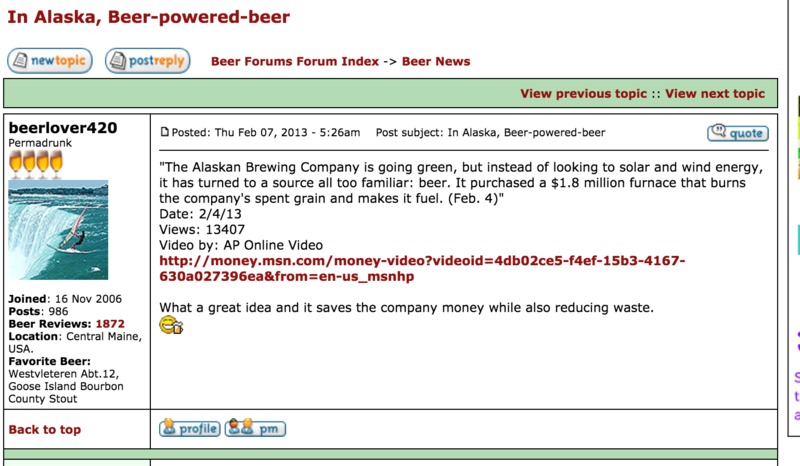
Another innovation in producation we noticed is the trend towards more eco-friendly production. The Alaskan Brewing Company was able to find a way to use their biproducts of production to produce more beer. This craft brewery's innovative idea creating a more efficient method of production that prevents waste. In an age where protecting the environment in a priority for many consumers, this brewery found an eco-friendly way to produce their product.
The photograph depicts a forum discussing new methods of brewing. The Alaskan Brewing Company's innovation spiked interest in consumers, as seen in the forum. In the future, we may see a rise in production methods that are more environmentally conscious in order to meet consumer's demands. This source shows that consumers are interested in keeping the same taste, but removing the waste created from beer production.
What should we add to alcohol?

Producers and consumers are also looking into new ways to improve alcohol by adding new ingredients and production methods. In the futuristic show, Firefly, we saw a type of alcohol that could become popular in our future called "Mudder's Milk".
Firefly is a futuristic show that tells the tale of a band of former resistance fighters in space. Mudder's Milk is an alcoholic beverage with "all the protein, vitamins and carbs of your grandma's best turkey dinner, plus 15 percent alcohol". In the show "Firefly" it was given to "Mudders", worker's on the planet of Canton that export mud.
Firefly shows us that people love the feeling of drinking alcohol, but might want other health benefits such as vitamins and nutrients along with the buzz and sudden burst of energy they get from drinking. The additives to this alcoholic beverage consider consumer's interest in their health while maintaining the alcoholic content.

The patent linked to the left further indicates shifts in consumer demands. While many of the patents listed throughout the innovation and adaptation of alcohol have needed to do with beer specifically, this patent opens up a broader possibility to consumption. This is particularly demonstrated through the fact that it holds greater applicability than just with craft brew—and perhaps a more environmentally conscious brewing process through the use of natural gases fermenting food, as opposed to the necessary energies from pumps in regular brewing processes.
Galewitz, Phil. "Craft Beer Makers Increasingly Put a Premium on Label and Logo Artwork." Alcohol Professor. N.p., 14 Nov. 2016. Web. 20 Nov. 2016.
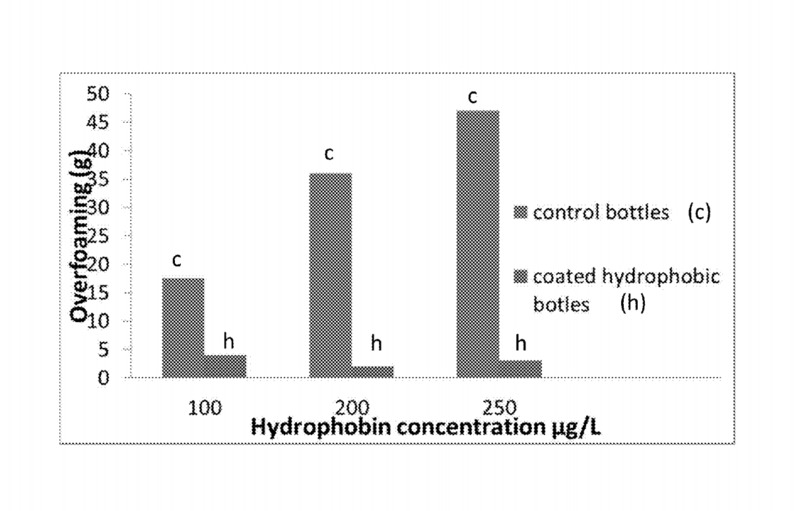
Producer's are also looking at ways to add new technologies to bottles and containers. This 2015 Patent describes a bottle designed to prevent over foaming or gushing. The present invention relates to hydrophobic coating of hydrophilic bottles for carbonated beverages to prevent gushing, in particular to hydrophobic coating of the bottle neck of a glass bottle. The invention also relates to a method to apply such hydrophobic coating to the inner surface of the glass bottle neck.
This patent give an insight to where alcohol production technology will be in the future. Producers are keeping consumer's wants in mind and developing bottles that are easier to use.
Conclusion
As consumers seem to be trending to more health-conscious beverages, it is possible we may see beverages like this in the near future. Low-calorie and low-carb options are already widely available, so products with extra protein and nutrients are very likely to become popular, as well as products that don't contain lasting side effects, such as hangovers. Continuing, future inventions, patents, and production changes are looking towards ways in which we can remove time and waste from the production of alcohol. This emphasizes the fact that a shift in what consumers value in a beers and spirits is evident given our need to eliminate the slow, maturing process of distilling or brewing beer and liquor. We are focusing now on how we can quickly attend to the need of the consumer at an exponentially faster rate rather than focusing on the authentic and slow process of alcohol development that was so highly valued in past periods, particularly after prohibition. On the other hand, a shift on focusing on more eco-friendly approaches to beer production and eliminating unnecessary waste has gained increasing popularity among consumers as well. Although there remains a great demand for removing previously valued aspects of beer (calories, carbohydrates, time production, production waste) consumers have a contradicting desire to still continuously add to what beer was in the past and apply it to what it should be in the future.
This movement of adding features to beer and liquor matches the greater movement towards variety satisfying individualized palettes—whether it is to meet health demands, such as a gluten-free or extra-protein option, or simply to meet flavor demands, as seen with a greater trend for novelty flavors (such as spicy peppers) to be introduced into beer. Not only this, but in conjunction with the variety in flavor content comes variety in what the outside of the bottle looks like. Creative designs and unique artwork contributes to the individualized experience of a craft beer. Now, consumers can choose from thousands of unique bottles and flavors to fit the exact need of what each individual would like to drink rather than just choosing the standard “24” pack of the mass-producing competitors. While we may no longer have the plain, yet trustworthy Budweiser to lean back on in the next 50 years, it is probable that variety will continue to flourish, and thus the age-old “BYOB” will still be a popular acronym seen on party invitations.