Bread - Future
Back to the Future
Bread. Bread is a substance that takes on multiple uses but it seems the true meaning never changes. The initial research into the world of bread proved to question whether bread was, is, and will always be traditional, or is now, and might continue to evolve, into something “new”. The present proved bread is constantly being manipulated to fit the current “trends” whether that is gluten free, artisanal, vegan and so on. The past showed something quite remarkable; it not only showed two competing technologies, convenience versus health, but it showed bread started evolving way before the 21st century as proved by the Manufacturing of Leavened bread patent and the beginning of the sliced Wonder Bread era. The future took us on a path we weren’t expecting. Ironically it brought us back to a familiar place, bread in a new form but used in a traditional way. The value and authenticity of bread remains, however the modes of production change. With that being said, the way bread is produced now and might be produced in the future, or the ingredients or packaging will change, however the meaning of bread will remain; bread is a symbol of home.
Blogging your Bread: A Lifestyle
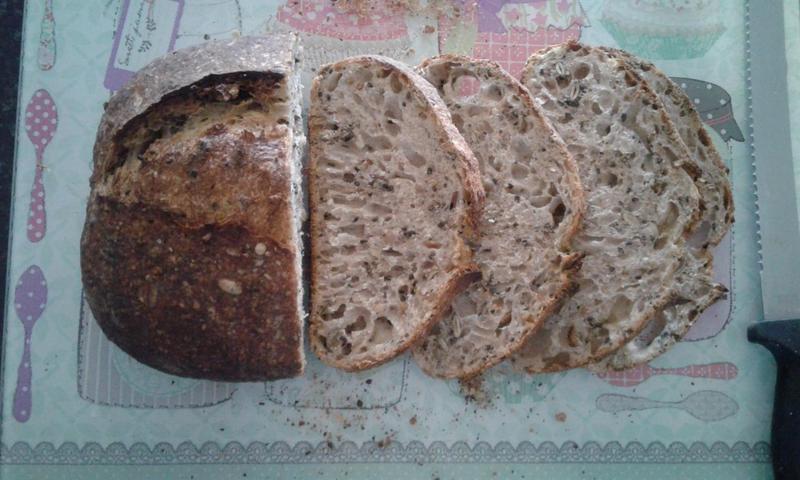
Bread connoisseurs that subscribe to the online forum The Fresh Loaf are able to trade and request anything bread related from other enthusiasts. Forums such as this enable home bodies to create their own variations of traiditional breads. The idea of transferring recipes to your own personal styles enforces the perception that people that are moving away from traditional style of supermarket white bread towards home made bread because society, in all of its fast pace nature, want bread that can remind themselves of home and the lives they used to live.
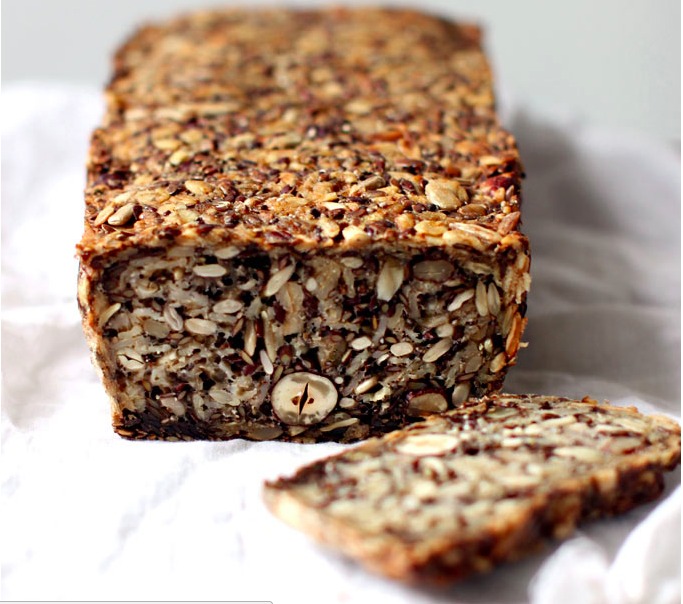
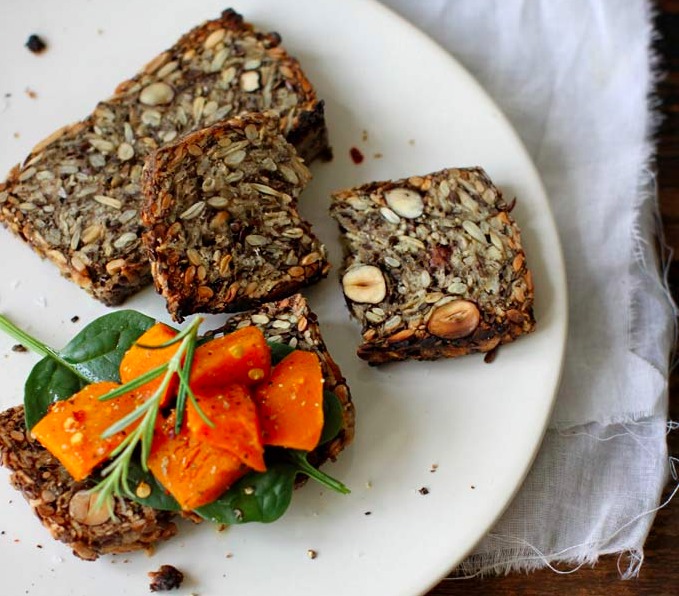
In this era of innovation where technology is always advancing, there is now a loaf of bread so great, its life changing. Sarah Britton writes a blog based in Denmark that features recipes and healthy cooking. On her quest for a healthier life-style she came across a loaf of bread like no other. This bread loaf is not made with your typical ingredients; in fact it doesn’t even contain flour. Flourless bread is not new but bread made with psyllium seed husks as its base, definitely is.
Ironically, this health fanatic describes her relationship with bread as a love affair she wasn’t ready to give up; for her, as for many people, bread is not just an item, it is a part of her life, her culture, a ritual, and a pleasure. That is when she realized she didn’t need to give up bread entirely to be healthy as she discovered this magical, flourless, vegan, gluten free loaf of bread. Every hipster’s dream come true. Its base or “flour” is pulverized psyllium seed husks and includes seeds and nuts of any kind, and honey or maple syrup for sweetness. She shows her excitement about the endless combinations as you can easily substitute almonds for pecans, oats for spelt, etc.
This loaf of bread is truly an innovation and touches on every aspect we have come across from the past to the present to now. It shows the continuous desire for healthfulness and convenience, as this bread neither needs to be kneaded nor requires a starter or form of yeast. Making this loaf doesn’t even leave you with a pile of dishes as it can be put together straight into the baking pan. Interestingly, she states with this loaf, you take control, you rule the bread not the other way around. When you think about it, bread has in fact ruled over us. It requires specific ingredients or specific substitutions with specific requirements such as kneading and waiting. Although it is apart of almost every culture and has been constant throughout time, this Life Changing loaf proves bread can still be constant and traditional while simultaneously being new. This bread is just like any other bread, tasty if plain or toasted, can be paired with a variety of spreads, fulfilling, and a reminder of home.
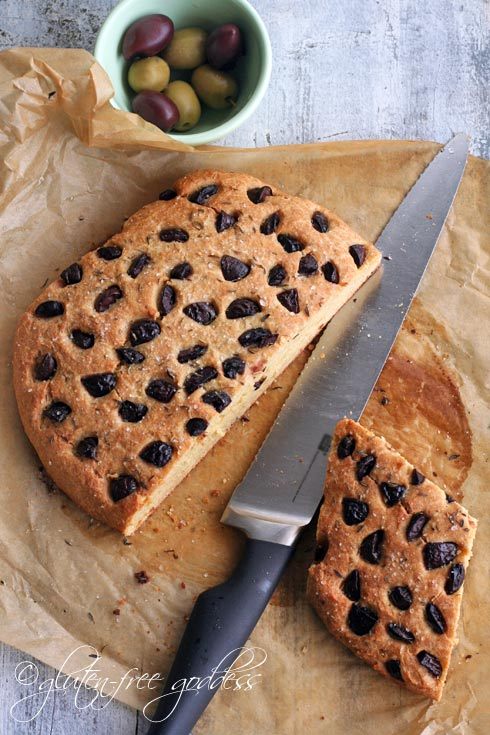
Although this recipe for gluten-free, home-made olive bread is from 2012, blogs like Gluten-Free Goddess are popping up everywhere. People from all over are joining forces on the Internet – including monks! – sharing their best recipes for homemade bread and other baked goods. People want to start having artisanal, authentic bread in their home. Some are like the Gluten-Free Goddess, who are willing to go through the extensive steps of at home baking to reminisce over breads eaten from small bakeries in Europe. It seems that everyone, including consumers, producers, manufacturers, and marketers, are attracted towards the idea of homemade bread, whether they are making it themselves or bringing it into their home. People want to feel a connection to tradition (even if it is gluten-free) to simpler times and small villages. Some bake using the same ingredients and methods that their grandmother’s used to; others, like the Gluten-Free Goddess, buy the kinship, either adapting breads they have previously had or recreating it themselves.
In regards to the future, we are seeing a value for authenticity and tradition. People are incorporating gluten-free options with the custom of making bread at home. Although there is a pushback against the innovation of bread production methods, others, like baking gluten-free, are still on the rise and prevalent.
Bread as a Science
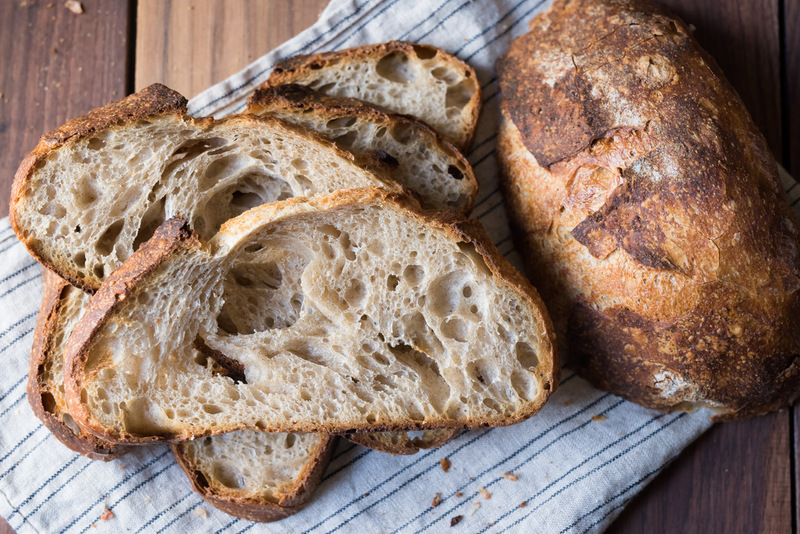
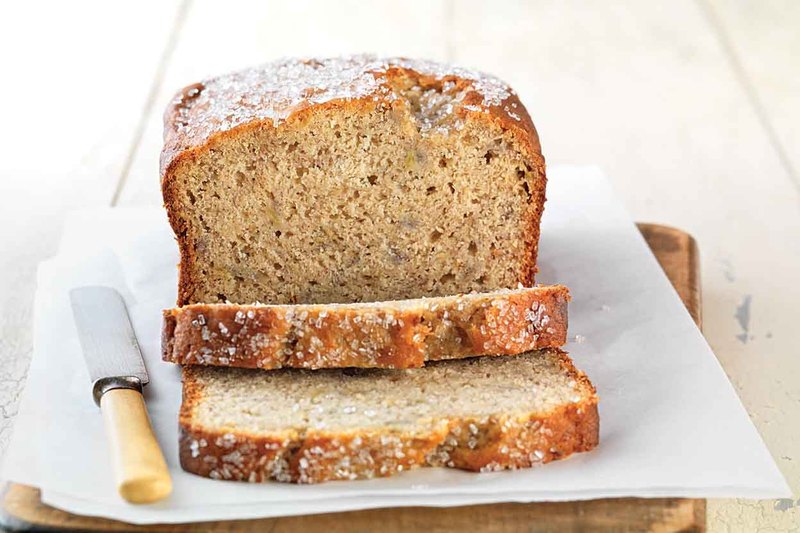
Gluten-free is becoming such an important to baking that scientists are adapting rice and soy bean sprouts in order to create a gluten-free bread production method. The sprouted plants are converted into flours, making it easier for gluten-free products to be created. Knowing that gluten is important to the texture of the bread (and consumers), scientists in China are trying to create a grain production method that can give gluten-free breads the same texture. This way those with gluten diseases, intolerances, and allergies will not have to sacrifice taste. This food technology makes it easier for both consumers and producers to bake their own breads, giving people the ability to have both gluten-free options and a traditional loaf of bread. By creating these types of flours that will give gluten-free bread the same airy, fluffy texture of regular bread, more people will be able to have different, “healthy” breads brought into their home.

Both the Past and Present segments of our analysis on the timeline of bread show distinctive success with both artisanal, craft made, time labored bread and the identical, sliced and bagged white bread of today's supermarkets. These differing breads have shown success with the consumer markets of their times, but as we progress further into the 21st century, it is becoming evident that society wants more from their producers. The demand for a return to artisanal bread with an eye for factors such as gluten free are increasing. On the other hand, American society is moving faster and faster and we do not have the time to spare on waiting for the specialty breads we crave.
With David McFadden's Speed Cookin Oven, it may become possible to satiate the desires of the American grocery shopping population. This oven, in it's own unique design, spreads air fkow much more evenly than a traditional oven thereby producing a finished baked product much more quickly. If the American public does not want the iconic rows of WodnerBread anymore, perhaps a fast baking oven built for artisanal bread is the option to produce enough fast enough.
Taking Bread to the Next Level...?
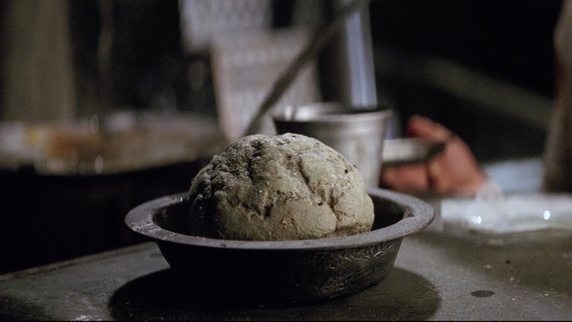

Star Wars fans and bread lovers alike have been intrigued by Rey’s instant loaf of bread. As she scavenges in a Downstar Destroyer for scrap parts and trades them for Stormtrooper rations on the planet Jakku, we see that bread is much more than sustenance. On the poor planet, food is used a form of currency in their bartering society. On the surface, the meaning of bread (and food in general) resides in the fact that it has monetary value. At first, Rey is seen as a strong-willed character, willing to bargain with the overseer for the portions she deserves and standing up for herself when she encounters other scavengers. However, there is a moment of domesticity in the movie when we see her bring and “make” bread in her “home”. Since she lives AT-AT (a type of all-terrain ground vehicle), Rey does as much as she can to make it feel like a true home, which includes bringing bread into it. The true meaning of bread in the Star Wars universe is not only a symbol of nourishment and, sometimes, currency, but a symbol of the home life that can be created.

What is the true future of bread? It is common knowledge that bread has been around for many centuries, but will that change? The past has showed bread as a staple item however one that was often considered a nuisance; having to slice the loaf every time you wanted to consume it and wrapping it up a particular way as to retain its freshness were steps some dreaded having to take. Many have attempted to come up with ways to improve these steps or eliminate them altogether as can be seen in the Past and Present exhibits.
Bread of life, a sci-fi short story written by Beth Cato, about the future and the meaning of bread, suggests a new yet unchanged meaning of bread. In this short story, the humans that remain no longer live on earth but live on stations floating about through space. Everything they knew and loved was obliterated along with earth, however Sonya manages to get ahold of flour and other ingredients to make bread and run a bakery on one of the stations. Visitors come in to either buy bread or enjoy the nostalgia it brings.
This sci-fi story solidifies the idea that bread is and might always be traditional, universal, and a symbol of home. However, this short story suggests bread might go further back to its roots in that it wont ever be wasted because of the true value and meaning it holds. The present showed how bread is used as Christmas decorations or shelf fillers, over baking for the sole purpose of increasing sales, however bread in the future will no longer be taken for granted, it will be cherished.
Sonya mentions sourcing her wheat through legitimate traders. This line in the story is crucial to understanding what bread actually means for many and what it might be in the future. Although bread can be without gluten, full of nuts, or made by an artisan, it will not overtake the traditional bread made with wheat. Wheat in itself is tradition, ancient, and familiar; it’s what some use to define bread. Thus we have come full circle, from bread made from wheat but with additives to improve the nutritional value to bread stripped of wheat and other ingredients, and back to bread made with wheat.
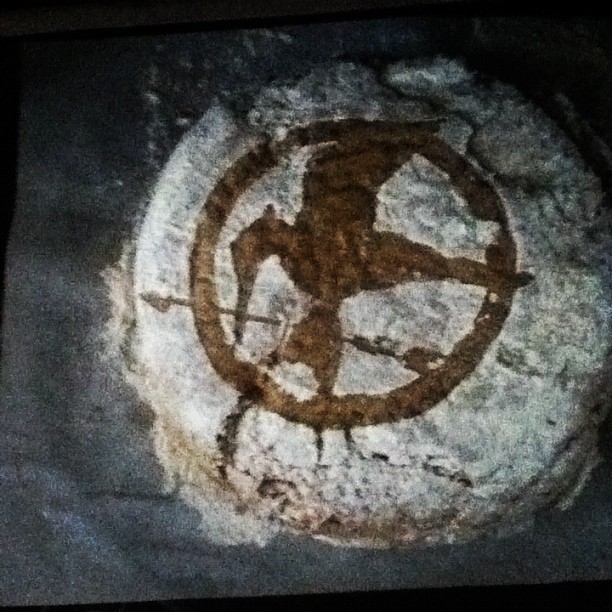
The nation Panem, has bread at the very heart of it's culture. The word Panem, literally comes from the Latin phrase, panem et circenses, which roughly translates into 'bread and circuses'. Roman culture considered these two objects the pillars of a successful society and the keys to keeping a populous happy. In The Hunger Games, a series of books written by Suzanne Collins, turned screenplay, we follow the story of Katniss Everdeen, an empovershed girl from the 12th District of Panem. After winning the 74th Hunger Games, a brutal fight to the death between the children of the districts for the enjoyment of the citizens of the Capitol, the power brokers of Panem, she is recalled for the 75th Hunger Games. This year, the games are played differently though. Rebellion has been stirring through the Districts and Katniss Everdeen is about to unknowingly play a lead role in a rebellion within the Games helped along by an unexpected factor, bread.
In the Games arena, tributes (players) have no contact with the outside world, but they can receive gifts. The rebellion iself is run by both players inside and outside the arena and their means of communication, the varying styles of bread from the 12 Districts disguised as gifts to the tributes. Bread, within the Hunger Games, keeps the tributes alive in more ways than one. The varying flavors and styles of bread provide critical nourishment, but now, they are a kep player in a rebellion against a tyrannical system of government. Gone are the old simplistic ways of bread, the world has come to understand the meaning of bread in a far larger context.