Chairs - Present
The Modern Office Chair
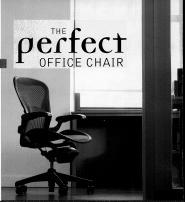
The office chair as we know it today has been the staple of the work-place for over forty years. Research from experts as well as experience from users has indicated that an increase in the comfort and the design of chairs has a positive impact on productivity in the workplace as well as on health (so long as the user does not spend too much time sitting). Chairs of the past have been shown to have contributed to a plethora of health issues such as lower back pain, upper back pain, neck pain, and sciatic pain. With the invention of newer, ergonomic chairs, these issues have improved tenfold, and have paved the way for future designs and inventions. As examined in the past page, the office chair can be seen as a culmination of chairs designed for comfort as well as productivity. Too much of one or the other has led to an imbalance, causing the user of the chair to suffer in their productivity, comfort or health. The "perfect" office chair has been advertised heavily to companies to provide comfortable seating for their workers. Types of adjustments vary; but most office chairs now include height-adjustments as well as arms that can be adjusted according to height, width, and depth. A means of adjusting the back has also become standard, along with the ability to modify the depth of the seat. Appearance has certainly not been ignored in the selecting of chairs for executive or managerial applications. Materials such as leather or other high-quality fabric and high-backed options have all become synonymous with prestige and power.
When examined on a broader scale, it has become evident that chairs have come to affect many different relevant social groups. These groups include but are not limited to manufacturers, designers, users of the chair, users of the service or product that was produced by the user of the chair, and many others. With an enhanced focus on ergonomics, the modern office chair has been taken to new and improved heights.
The Present State of Chairs
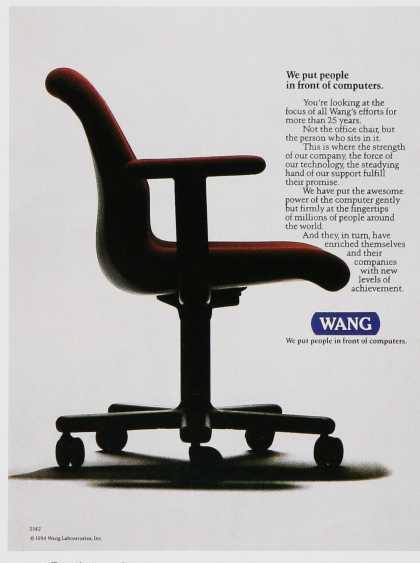
Over time, specific types of chairs have grown synonymous with specific professions and uses. While chairs tend to be used for sitting down, the reason for sitting down in them can change based on the location that the chair is used. A chair located within someone’s living room is likely used differently than a chair located at someone’s desk. Wang Laboratories, a computer company from the 1950s to the 1990s, understood this, and created a magazine advertisement that used an office chair to target the company’s relevant social groups (Vintage). Even though the advertisement itself is not about chairs, it’s about the people that sit within them. The company understood that the chair pictured within its ad was associated with office work, and utilized that idea to catch the attention of people that did office work in those chairs on a daily basis. In addition, the company understood that the people that sit in chairs are just as important as the chairs themselves. Because they are connecting the chair to someone’s life, their advertisement is much more effective at spreading its message (Vintage).
Just as advertisements can highlight socially constructed technological limits, so can product reviews. In the NeueChair Office Review by Jez Corden, an office chair’s features and intended uses are matched with various pros and cons. These not only allow customers to make informed decisions about whether or not to buy the product, but also help customers visualize how the chair will fit into their lives. Because of this, reviews are important sources of information for people looking for products that serve a specific use better than similar products. Customers are a large relevant social group that can utilize reviews to see if products will meet their needs.
Another great example is the Ergon Chair. Designed by William Stumpf in 1976 for Herman Miller; he used multiple studies and input from specialists in orthopedic and vascular medicine to "make a beautiful chair comfortable." While it didn't have many moving parts the molded foam was a radical change in the industry and many ergonomic experts feel that it brought the idea of ergonomic seating to a much wider audience.
Likewise, firms are continuously trying to meet consumer needs by creating chairs that not only feel comfortable but also support extended periods of work.
Chairs and Productivity
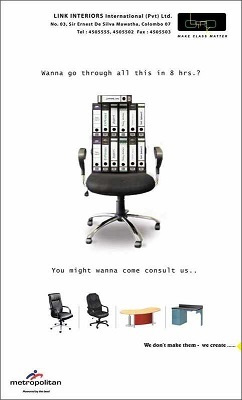
Although chairs can inspire laziness, some chairs are created for work. The office chair has been in use since the mid-19th century, where they have made huge leaps and bounds in ergonomics and comfort. Due to this trend, however, now there are studies indicating that chairs have been linked to health problems and a sedentary lifestyle. The tagline “Sitting is the New Smoking” attahced a catchy phrase to the serious issue of an 8 hour a day, 5 days a week sitting in a chair. To counter this negative connotation around seating, new options became available with a promise of health benefits. The standing desk and bouncing ball desk chair are two of the most popular options. This trend can be seen through modern media sources such as The Office, where Dwight exchanges his average office chair for a yoga ball, to increase his productivity and awareness.
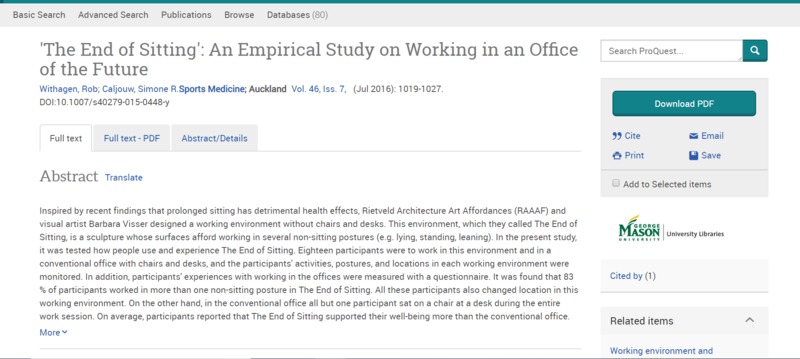
'The End of Sitting' study was inspired by a movement spurred on by an overwhelming amount of findings that have concluded that prolonged sitting can be detrimental to human health. In this piece, Rietveld Architecture Art Affordances (RAAAF) and artist Barbara Visser designed an office space without desks and chairs and recorded the participants’ posture, location in the working environment, as well as their activities compared with that of a conventional office. The results of the study concluded that 83% of the participants reported more energy and increased well-being associated with working in ‘The End of Sitting' environment.
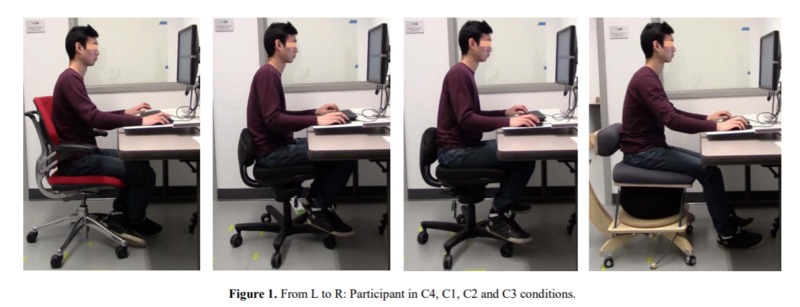
On the flip side of the productivity discussion, the proceedings of a conference of the 2017 Human Factors and Ergonomics meeting discussed the results of a study that compared “the effects of active and static chairs on short-term productivity”. The study found that active seating did not have as profound a benefit as initially anticipated, versus static office environments. Researchers stated that despite the overwhelming literature stating the dangers of sedentary office work, further data needs to be collected on the benefits of active sitting chairs on comfort, fatigue, and productivity. (Kar, Gourab, et al.)
Modern Politics of Chairs
Chairs continue to have ties to elitism. School desks implement immobile chairs that force students to remain front-facing and attentive to the authority of the classroom--the teacher (The Impact of Seating Arrangements on Student's Learning in Secondary School). The stool, which originated in Ancient Egypt, a backless and armless version of the chair, meant specifically for people of lower status, is still in use today. The stool is immobile and uncomfortable. Either for cheap functionality or punishment, the stool is associated with low status.
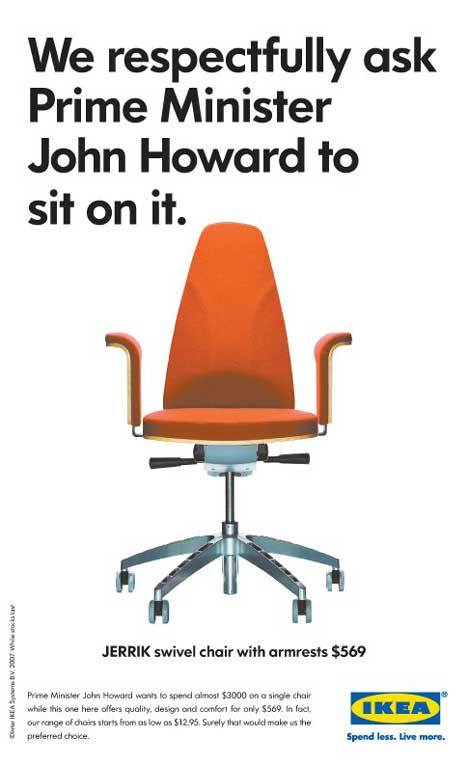
In contrast, Prime Minister John Howard spent 3,000 dollars per chair in his political offices, costing Australian taxpayers roughly 200,000 dollars. In response to this, people called out his excessive spending as a form of elitism that they did not appreciate, as the "common man" is more trendy and powerful in the modern political climate. Using the people's dissatisfaction, IKEA released a line of affordable office chairs, calling out PM Howard in their advertisements to appeal to the displeased public.
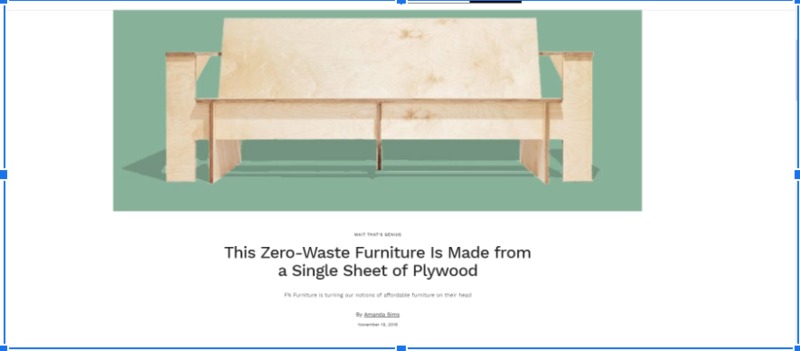
Following along with the theme of elitism, other pertinent discussions in the modern era of chairs concern mass production, sustainability, and access to chic furniture at a modest price. The creation of a chair made from a single piece of plywood, designed by a high-end architect (Architectural Digest) is an example the blending of these discussions and a movement towards a change in the production process and access to quality furniture.
Inclined to Get a Recliner
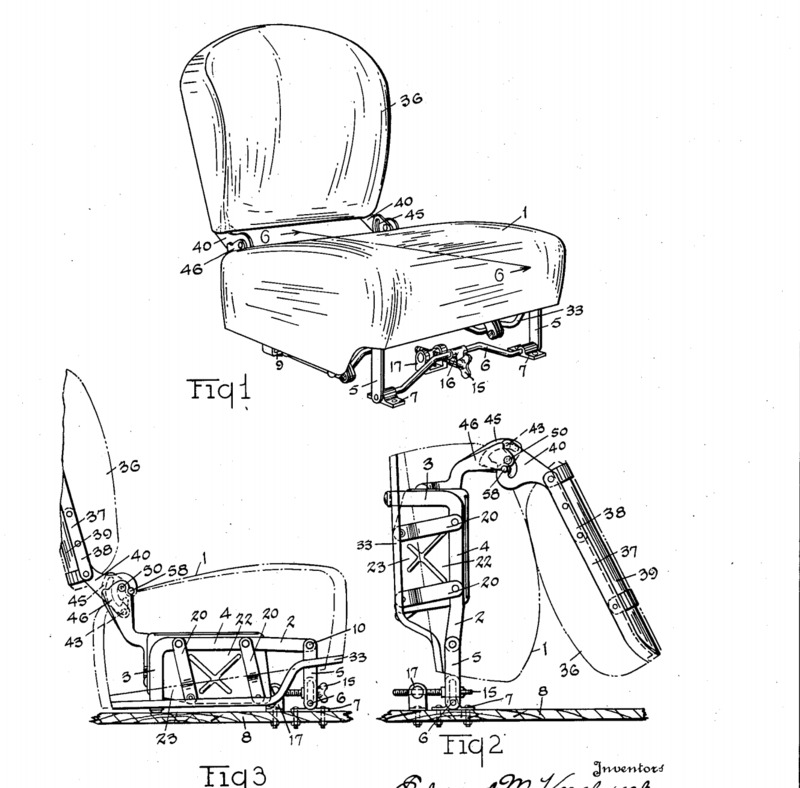
In 1930, US Patent 1,953,376 was filed by Edward M. Knabusch and Edwin J. Shoemaker. It was filed in order to “...provide an efficient adjustable chair…” that could “... be used in connection with any form of support…” (Knabusch). The patent’s subject is still in use today, albeit in a semi-different form. Knabusch and Shoemaker submitted the design for what eventually became the La-Z-Boy recliner, a product at the center of the large furniture company’s success.
Even though the product itself may be designed slightly different today, reclining chairs are a huge part of American living rooms--synonymous with comfort and watching television. The chairs have taken on a specific use, and that use has remained relatively stable. In addition, the chair is connected to a specific status: not one of poise and regality, but rather, one of laziness, as the La-Z-Boy name implies.
The Ergonomics of the Modern Office Chair
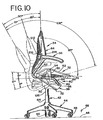
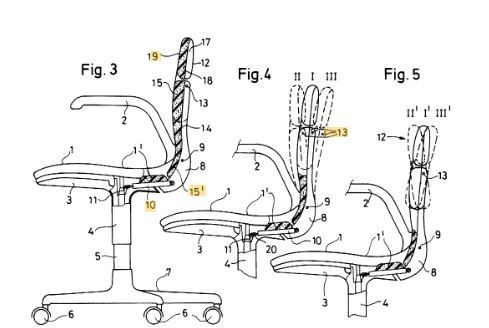
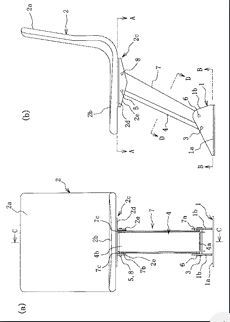
Ergonomics is the applied science concerned with designing and arranging things people use so that they interact safely and efficiently. This discipline raises questions about posture, highlighting contemporary risks that can come with sitting incorrectly.
Many developers of the modern office chair are seeking new and improved ways to increase the ergonomics of the chair, with the hope of increasing productivity. As sad as it is to say, companies want to reduce break times and distractions caused by uncomfortable, non-ergonomic chairs. Proper-fitting chairs can save money.
A study conducted by students at Indiana University sheds some light on what makes a chair the most ergonomic. Now, there is something to be said about personal preference in the selection of the “most comfortable” or “most ergonomic” office chair, however, there are certain features that can be considered most important to most people.
Because of the fact that everyone has different preferences, the amount of variability a chair had was an important aspect to the people involved in the study--ergonomic features such as having an adjustable backrest, armrests, and height were particularly prevalent. Not coincidentally, the chair that was highest-rated in all of these areas was the chair that was chosen as the best.
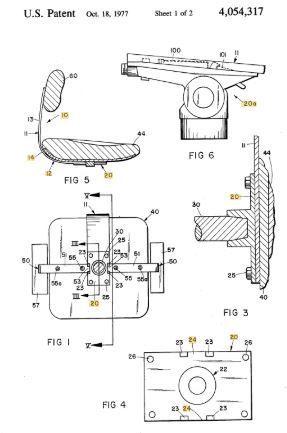
In 2006, William Stumpf applied for a patent that focused on chair ergonomics, which was granted to him on September 29, 2009. His patent states that his chair has an advantage over other office chairs because “...in the most preferred embodiment, the seat and back naturally conform to the body of a user during tilting of the chair to thereby reduce shear forces acting on the thighs and trunk of the user and minimize pressure acting on the underside of the user's thighs at the knees (Stumpf, 2006).” He also goes on to state that the user’s weight will be evenly distributed, and the center of gravity is taken into account for a more balanced equilibrium. Also, the chair is designed to allow for more adjustment of several components, allowing for a more ergonomic design. Since he was granted the patent, something must be said for the value of ergonomics in the design of the modern chair.
In 1987 a journal called Office Technology and People published a review called An Ergonomic Evaluation of Office Chairs that talked about what features chairs should have to become more ergonomic. They broke it into the two main features that factor into chair design, which are task characteristics and operator characteristics. The journal goes into the different designs of the actual seat of the chair stating that flat seats are better than seat conformed to the individuals posterior due to the users of the chair wanting to be able to adjust however they want on the chair. The journal then explores the back of the chair and optimal angles that the back should be at and how to provide the best lumbar support. Ease of adjustability was another huge talking point of the journal. It talks about how many people are anatomically different and more best comfort settings like chair height, armrest height, and backrest height should all be adjustable. They go on to conduct a study to determine the comfort levels of using serval different chairs and with a large group of people to attempt to determine the best features that chairs should have. This journal seems to be marketed towards bulk buyers of office chairs to explain what they should look for when purchasing new chairs and such. But why should businesses look to purchase these more ergonomic chairs.
In 1988 an article called Ergonomics Isn’t Last Year’s Fad It’s This Year’s Profit published in journal/magazine called Administrative Management. It speaks to the monetary gains associated with having ergonomic chairs that improve productivity. It is meant to show business owners and office managers the benefit of ergonomic funiture and the economic benefits that they stand to make for this investments.
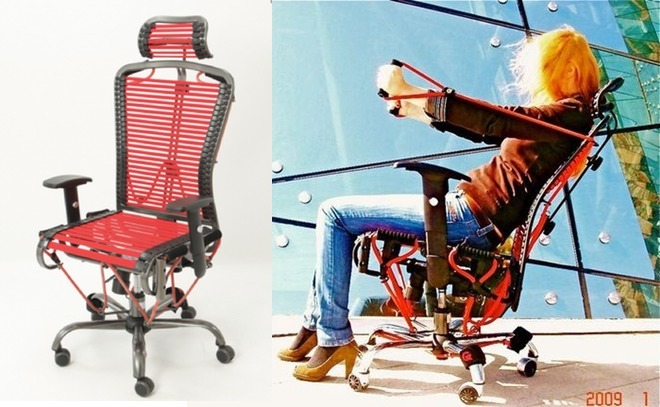
This is an example of an office chair that takes health to a bit of an extreme. The built in gymnasium of this chair would allow for more movement and strength training while sitting. This chair is probably not considered very ergonomic, but the potential influx of cortisol that comes with exercise could act as a boost throughout the work day, allowing for more work to be done. However, the frequent breaks that would have to be taken throughout the day would more than likely decrease productivity in the long run.
Conclusion
All in all, different types of chairs serve different functions. For example, an office chair such as the one pictured in the Wang Laboratories ad is not likely to be used at a dinner table. In addition, a chair's meaning and purpose in one century is likely different in another. In some ways, conversations about productivity and posture today are similar to those of the early-1900s. However, today's conversations, as opposed to those of the early-1900s, are being viewed through a different lens. While chairs as a whole appear to have stabilized, their interpretive flexibility is constantly changing.