Pocket Knives - Introduction
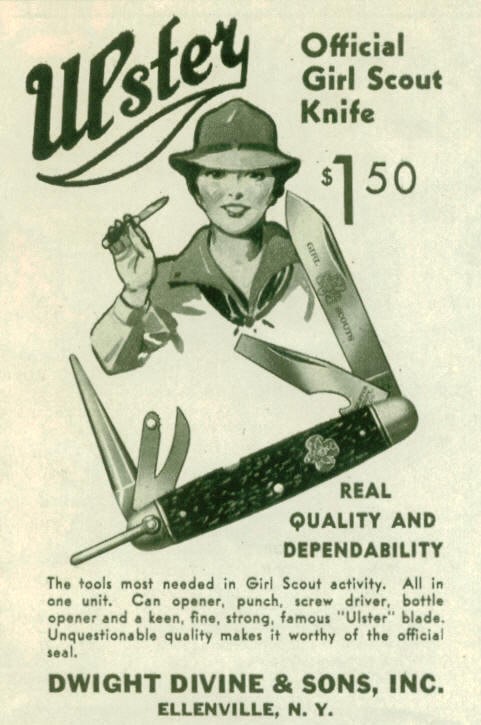
The Development of Pocket Knives
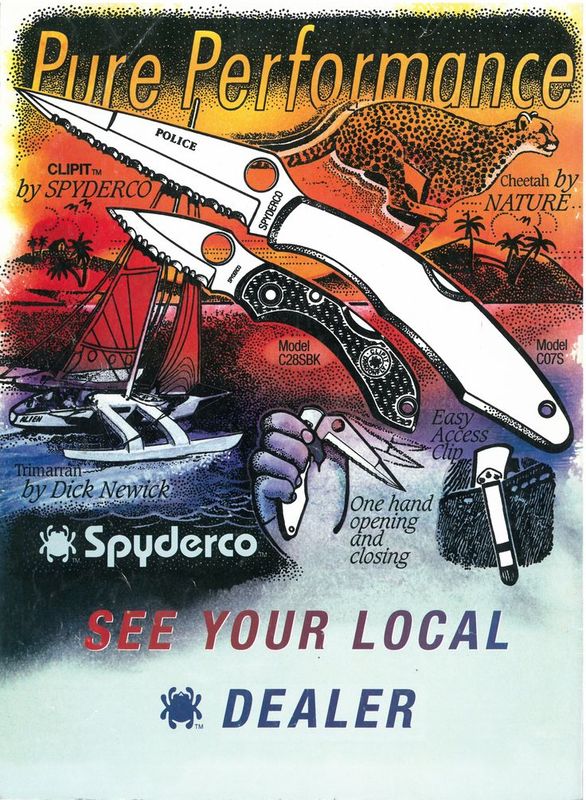
Since the time of the Roman Empire, pocket knives have, in some shape or form, been useful tools for rich and poor alike, whether it be for sailors cutting rope, or 18th century politicians sharpening their quills. What began as a simple blade attached to a handle by a hinge evolved into knives with complex locking mechanisms and high performance blades. These innovations were driven by a number of factors, the most prominent of which is to obtain the same functionality of a fixed blade knife, while still keeping the compact nature of a pocket knife. This aspiration seeemed to have finally been reached in 1982 with Sal Glesser’s fast opening locking knife, the Spyderco clipit. Despite this, while pocket knives may be optimized for one use, the same knife might be lacking for another. Future renditions of the technology will seek to maximize efficiency for each social group that uses pocket knives from hunters to homeowners alike.
The Perception of Pocket Knives
As time has moved along, the perception of whether or not a pocket knife is a tool or a weapon has changed. Keeping in mind that knives can be dangerous, the question becomes whether children should still be allowed to use them as tools? Have knives become too efficient and can now only be regarded as weapons? Or perhaps these fears are unwarranted, and the original design and use of the pocket knife has not changed too much, while the only the perceptions of knives have. Beginning in the 1950s, knives have been subject to intense regulation, and the debate of the true use of pocket knives still continues on.