Virtual Reality - Future
Near Future: What's in the works?
Non-Entertainment Uses
Training
Strivr is a virtual reality company whose focus in 2015 was sports training capabilities. However, in the advent of 2016, they started to aim at a bigger target: corporate training. They utilize VR and recreate the work environment of Chipotle, Walmart, and other corporations, in order to allow the trainees to practice and identify issues they may run across when working. This innovation has allowed many businesses to reduce the strain on their current employees, due to on-site training, as well as minimize expenses. Strivr has also suggested that this is only the beginning of their business venture, saying that they are aiming for health care services next considering how high the repercussions are if someone makes a mistake. I believe this inclusion of their aim suggests how tall their ambition is, as well as the extensive reach that VR has in the right hands. They suggest that if they can issue VR training to the corporate level adequately, then they can continue to innovate for the next step of the ladder.

Panic Lobster a small private company located in San Francisco, California focused on creating applications that help to form VR into a tool for improving business skills, with the most prominent example being to help people overcome their fear of public speaking. By using VR to simulate presentation and public speaking environments, and allowing users to practice and be given feedback, virtual reality is being utilized in such a way that is not targeted towards entertainment but instead business.
This article discusses how the United States Army is making use of VR technology to train new recruits. The main goal here is to be able to simulate any kind of battleground on Earth, and they've already begun making headway by being able to simulate cities in the U.S. and North Korea. The more specific goals of this technology are to train soldiers to work in a warzone before they are actually deployed there, as well as increase the number of entities simulated within these programs, with the endgoal for that being somewhere in the millions.
Social Change
There are currently studies about VR being used to simulate empathy. For instance, this diverse technology could be used to display the devastating effects of climate change -- not only visually, but in an immersive experience. Therefore, people will directly feel the impact of this occurrence. VR is also being used in other simulations, such as scenarios in which the player will experience the process of becoming homeless, or will experience what it's like to live in a war zone (in the most accurate but least harmful way possible). This has major implications for the future of virtual reality and the effects that it could have on making lasting, impactful social change.
Medicine
This patent describes technology that would make use of 3D imaging to aid in treatment of a patient's body, allowing them to separately view a patient's organs and help develop therapy treatment. It could create what is essentailly a 3D VR image of the patient's organ and combine it with another 3D VR image of a portion of the patient's body. This would allow for doctors to more clearly visualize a patient's treatment area to make less invasive surgical procedures. Going one step further, this tech could allow for a transluscent 3D rendering of a portion of human anatomy undergoinig surgery in real time, essentially creating a guidance system for a less invasive, and by extension less risky, operation.
User Innovation
Google Daydream is an open source interface where users can create their own VR apps and games on popular platforms (such as Android, iOS, Unity, and Unreal Engine). Google Cardboard is a cheap alternative to expensive headsets that allows users to experiment with Daydream and VR. This accessibility allows for a lot of users to tinker around and learn about VR while also showing creativity in projects. The Google VR community has troubleshooting forums, guides, and APIs to involve as many newcomers as possible. This artifact is significant because it brought attention to the VR field and, subsequently, user innovation.
Partial Immersion
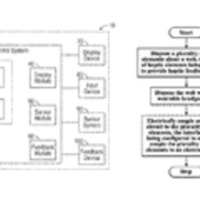
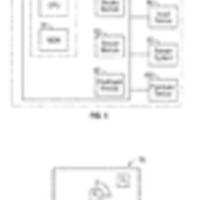
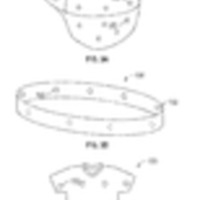
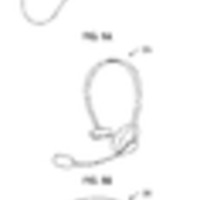
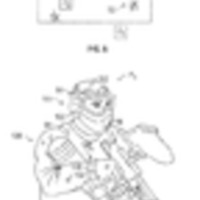
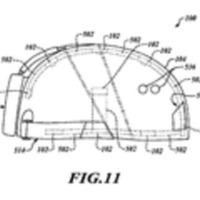
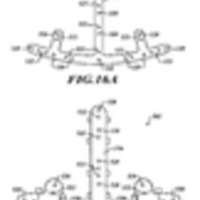
Haptic feedback has been a user led innovation to increase the immersion levels of normal VR. The idea behind haptic feedback is to allow the user to feel pressure on their body as if they were in the virtual space. An example would be feeling the pressure of a sword slashing you across the chest. This patent specifically details various ways on how haptic feedback can be created, as well as potential places where they can put this feedback system. In fact, this patent utilizes a couple of their images to show potential improvements on the already available gear (or simplification), when adding their feedback technology to the VR environment. It is important to also note that simplification means a plain t-shirt, collar and a headgear cap (almost like a mask). It is likely that they utilized these to indicate how they want the product to move into a more widespread and generalized market when the time arises, rather than staying in the extremely niche, and expensive, corner that they are in right now.
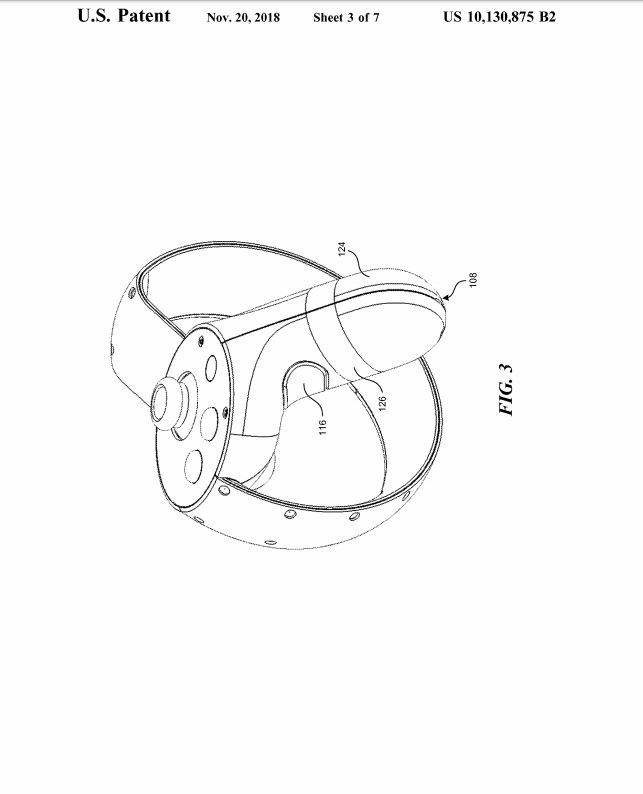
This patent was done by Oculus, one of the leading companies in virtual reality innovation, in an attempt to lay claim over the way a controller for the system was designed. The main reason for this is that the typical idea of using game controllers and average buttons do not optimally make use of virtual reality interactivity.What is important to notice however, is the language of this patent is focused on user interface with virtual reality and doesn't have an intended use of entertainment in mind and instead is focused on wide variety of uses. The purpose of the technology at hand is to instead allow for a broader range of motion and move things away from typical mechanical inputs, instead focusing on movement controls as well as light detection and electromagnetic feedback to better allow users to interact with a virtual reality system. While not completely stepping away from buttons, they are instead being utilized in a much different manner, more attuned to virtual reality use.
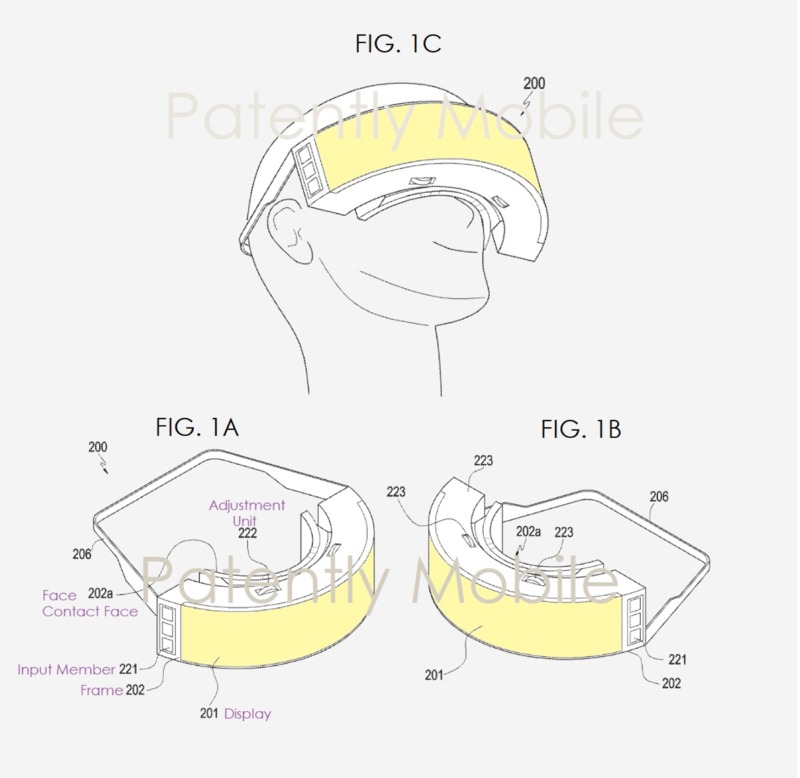
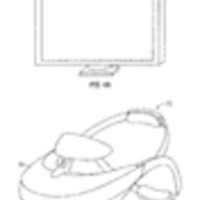
Samsung has been working on creating a headset with a wider range of vision (about 180 degrees, as opposed to the standard range that most VR headsets have, which usually ranges from 100-120 degrees of vision). Therefore, the aim of this patent is for the virtual reality experience to be more immersive and realistic for the person playing the VR game. This headset is also designed in a way that makes it slimmer than usual, so that weight doesn't become an issue. The headset would also have a see-through mode, so users could use this not only in virtual reality but also in augmented reality, which people can see parts of their own world being changed.
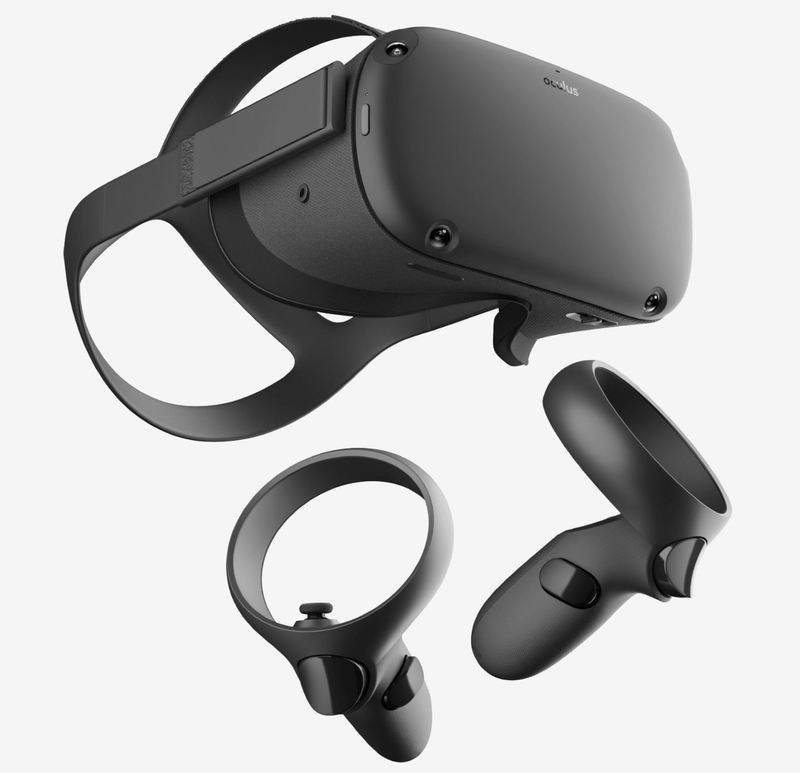
The Oculus Quest is the first standalone gaming headset from Oculus. It differs from other headsets because it doesn't require extensive cables or sensors but it still has the same tracking capabilities. The use of more ergonomic controllers makes user input feel more natural as well, bringing VR closer to full immersion by improving upon the touch aspect of our senses. Standalone headsets also cover a safety concern that many user have had: wires being in the way. The headset is a step towards more immersive VR as well since it lets you be more free and forgetful about your surroundings.

This book is about a possible future where a virtual reality game has become so popular and influential that most people alive in the world play it, to the point that kids even go to school in the VR game. The creator of the game died without a will and left his fortunes to anyone who could solve his easter egg hunt within the game. The level of VR technology shown in both the book and its film adaptation is incredibly varied. Certain players have access to haptic feedback suits, and the main villain has a large VR chair that appears very similar to full-dive technology. In the game, players can do a wide variety of activities not limited to video games, such as the previously mentioned schoolwork but also libraries and movie theaters and more.
It is worth noting that all of the above patents have potential uses outside of entertainment. For instance, the haptic feedback suit could be used in military training, so that trainees will have a more realistic sensory experience of what it will be like in combat. Oculus' new controller could be used for medical purposes such as practicing surgery. Samsung's new wider-range headset could be used for all of the above non-entertainment purposes. The possibilities are endless. In fact, the owners of the majority of the patents for VR are starting to recognize the uses outside of entertainment, and choose to leave the interpretation of their innovation to the user, rather than suggesting a predetermined use.
There is also a recurring theme of this shift towards full immersion, -- or in other words, full dive. While this has yet to be achieved, creators of VR technology all display this common goal, as we have seen in these patents. Eventually, once the technologies in these patents become more accessible, then socities such as the one portrayed in Ernest Cline's "Ready Player One" will become more of a reality.
Far Future: Full Dive
Full dive is characterised by the user being completely immobile in the physical world, but still experiencing mobility and sensation within the virtual world. Essentially, this would require a recreation of the nervous system through a headset or other head device.

One example of full dive being used in fiction is Sword Art Online. This is a series of light novels by Reki Kawahara that was adopted into a popular and ongoing anime. All three seasons (or the 15 books) have a common theme of full dive VR being used. Details of the plot aside, the story dives into detail on what is the difference between reality and a virtual one, how would living in a VR world be like, does AI raised in a VR world have consciousness and does it deserve human rights, can VR worlds bring about different personalities in people, and can VR be used for medicine. Many fundamental themes covered in this anime are starting to show up with the development of technology nowadays and it is interesting to see a fictional representation of what the future might be like. In fact, much of the praise for the anime has been for the exploration of the psychological aspects of virtual reality.

Inherently, both increases the immersion an individual feels towards this fabricated space, as their brain feels in total control of the individual movements since the collar/chip itself reads the brainwaves and transmits them into the virtual space. This novel shows two different segments, beginning with a virtual reality segment showing the obese man doing athletic feats that his body should not be able to handle normally. Since it was only his brain controlling the virtual body and his actual body is immobile, he continues to train himself in these feats as it is his main "escape" from the real world. The second segment, which is arguable by certain critics, is an augmented reality game that accelerates the user's brain waves enough to experience 17 minutes of "game time" in the span of 1 second in real life. A key point about this game is that the user is required to have a Neuro Linker since birth, and since the technology has only been around for 15 years, the game is not populated by adults, suggesting that the technology itself has access to the personal information of the consumer. Combine that with some harsher restrictions to install and uninstall, the AR game Brain Burst is still a secret to the majority of the world, showing how the Neuro Linker has power over the brain. The critics argue whether this is augmented reality or virtual reality as the game itself distorts reality into a breakable universe, but also allows the user to enter specific zones/districts without their actual body moving, questioning whether it is full immersion or simply a repainting of reality, showing a small plothole left behind by the author. However, the ideas presented by the author, specifically the collar and chip, indicate a potential future for VR, allowing for direct communication between a small computer that is connected to the internet and our brains.
The Extremes of Having Access to Another Reality
There is much debate about virtual reality and the potential consequences that it can have for an individual. In this section, we explore themes such as using virtual reality for comfort, transmitting one's consciousness to virtual reality as a way of experiencing the "after life," virtual reality affecting the physical body, becoming trapped in a virtual world, and so on.
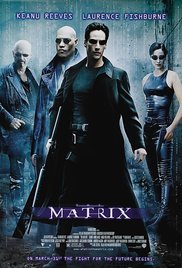
The Matrix, a popular film in 1999, with lead actor Keanu Reeves, depicts a world in which everyone is trapped within a virtual reality landscape and the catch of if someone dies in the virtual space, they die in real life. A common theme found among science fiction and virtual reality is the concern that either virtual reality will become indistinguishable from actual reality, but that things that occur to someones virtual body will in turn affect their actual physical body.
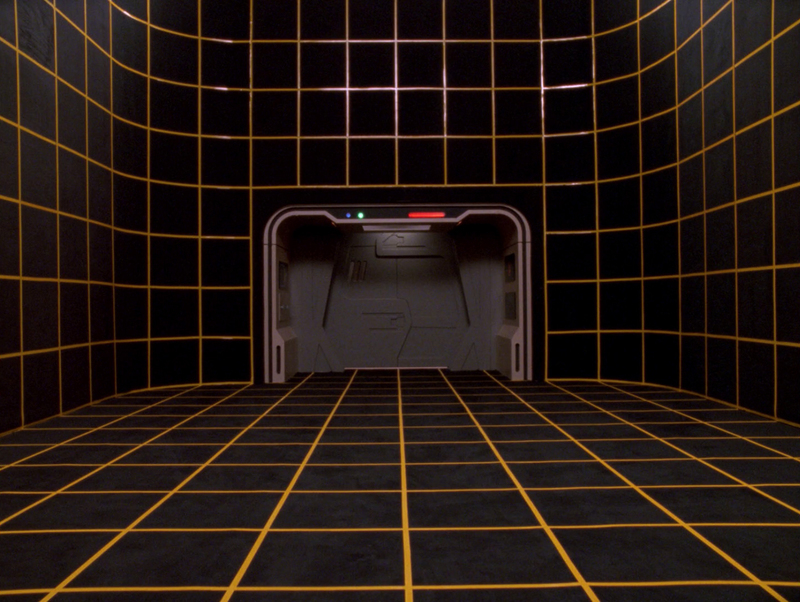
Star Trek: The Next Generation is one of the most well known science fiction TV shows of all time. One of the most notable parts of its universe is the holodeck, a large featureless room that can simulate different locations in the universe by manipulating a sort of simulated matter within the room called holomatter. In the show, the holodeck is used for both recreation and work activities. Throughout the franchise, the holodeck is shown to be able to malfunction to the point of trapping characters inside of it, and at one point a holodeck-simulated human becomes self-aware.
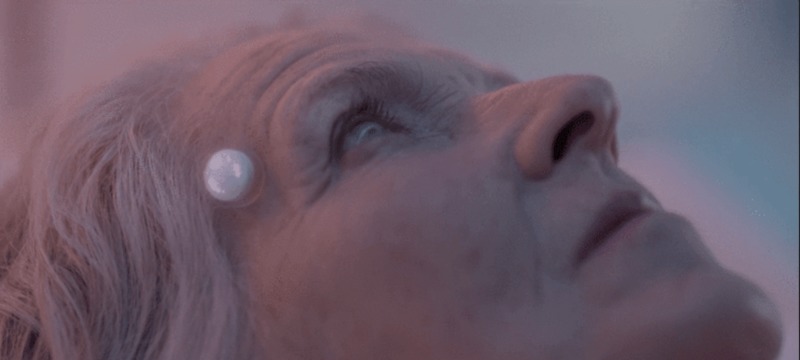
In general, the extremes of either pain, as shown in Black Mirror, and recreation, as shown in Star Trek, can be held in debate for whether they stick true to their intended use, since if one is created, the other must exist as well. There also is a dialogue for the people who fall "victim," whether it be intentional by another, or simply a malfunction, and have great harm fall upon them. For the extremity of pain, a new line of torture may very well be created, by forcing the individual to the maximum pain level and harrassing them in the simulated space. On the other hand, the holodeck has malfunctioned and created huge troubles for the users, whether it be trapping them in the space or sentience in a simulated object which may very well fight for their livelihood. While these were explained from a specific point of view, the technology between the two could very well replicate the experiences of the other, and so making the same negative scenarios happen.
The movie, The Matrix, has many ethical debates surrounding it, but, ultimately, the technology utilized has both extremes of pain and pleasure, as explained with Black Mirror and the holodeck, and is a great example of how an individual would react in these scenarios.