Tattoos - Future
Tattoos are becoming more fashionable, safer, and technologically more advanced. These new developments stem from current and past needs. Popularity has driven these developments in the tattoo industry from a subcultural taboo to a “mainstream” desire. This page will explore these developments and their relationship to present and past issues in hopes to identify whether tattoos will become overtly popular amongst a majority of a culture as a whole as opposed to a generationally based popularity.
A Fashionable Future for Tattooing
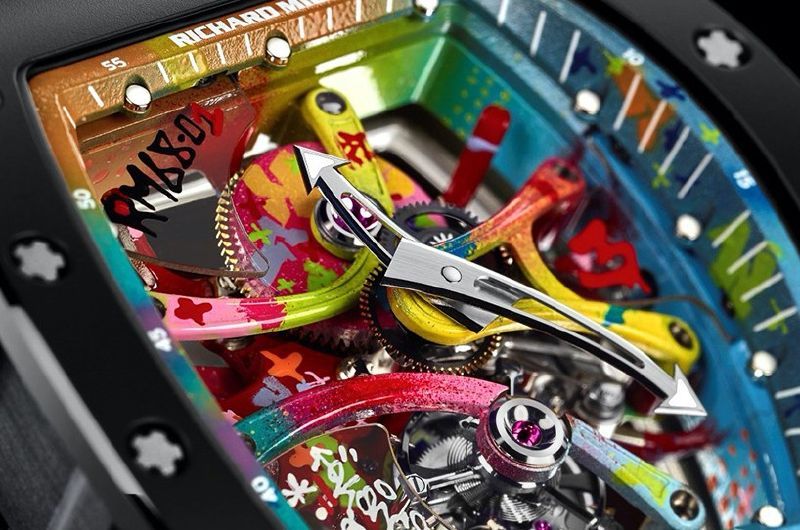
Tattoo artists are a major group of lead users that not only influence the popularity of tattoo style, but now appear to be taking a step in the direction of having tattoo influence in fashion. As seen on the previous page, tattooing as a “fashion” is growing to become ever popular. In the blog post, “Tattoo and graffiti artists take the luxury watch world by storm”, we see that the potential for tattoo artists to break out into fashion and other realms of popular culture is significantly growing.
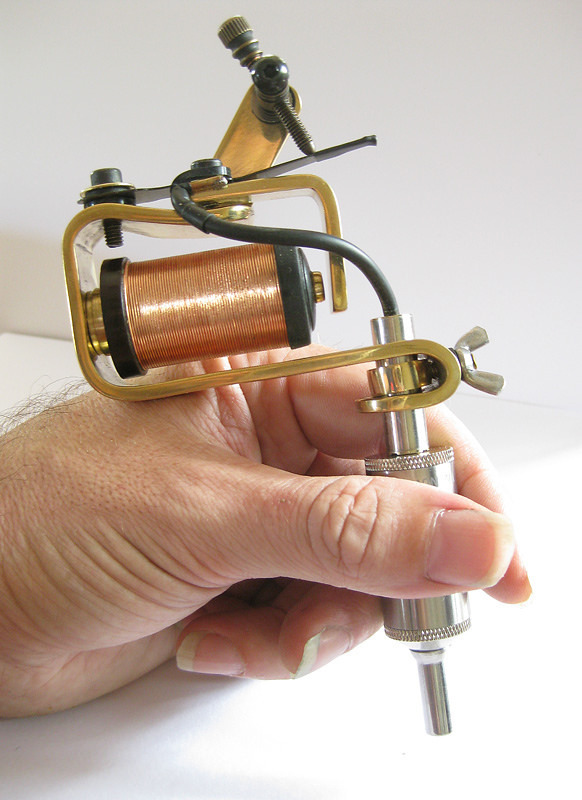
Individuals in the tattoo community who frequent forums and modify current tattoo technology are known as lead users, and their posts are insight into where the future of tattoos is going. On the vape forum AussieVapers.com, a profile called “studiovape” posted his modification of a tattoo gun that doubles as a vape. With this invention a tattoo artist can puff his nicotine fix and produce his art in one piece of technology. In the future, more machines might be combined with tattoo guns.

For many years, tattoos have been considered taboo in more formal workplaces such as offices or law groups. It has been thought a great deal that the appearance of tattoos was unprofessional and that only those who didn’t work as hard were the only ones who had them. Additionally tattoos have always been considered a form or expression and difference from the group, so in many instances, jobs and corporations want the individual to act and be dressed like the rest. Yet as the article discusses, tattoos have become more accepted by the general public, thus leading to the overall increase in acceptance and decrease in rules over the appearance or ability to have a tattoo in the workplace.
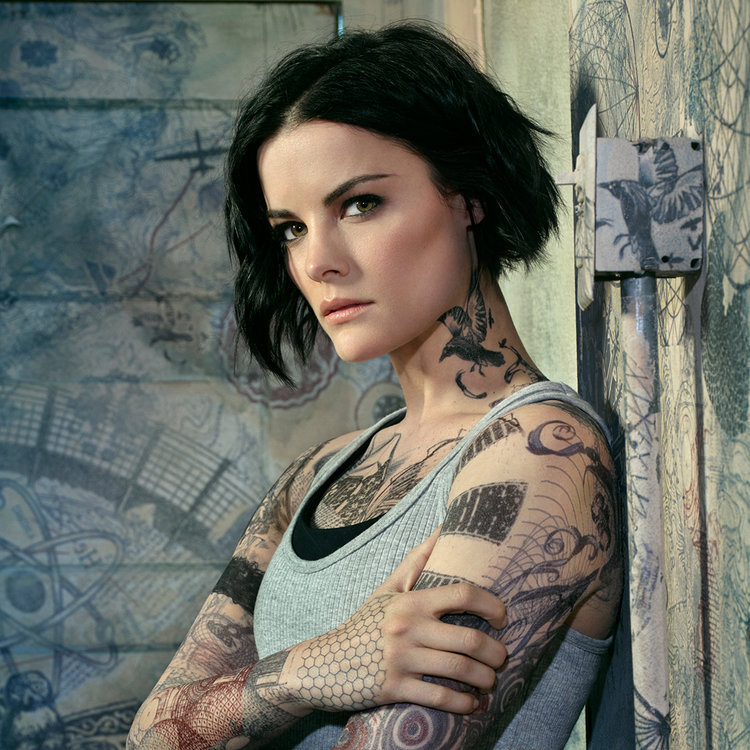
“Blindspot” tells the story of a young woman who wakes up in Times Square covered in tattoos. These tattoos tell stories that the FBI uses to fight crime. While this story is fantasy-like in a general sense, it poses a unique concept of being placed in modern time. Having a major network such as NBC, and in a very professional government setting such as the FBI, showcase a heavily tattooed woman is showing the shift in not only tattoo acceptance, but also the future route tattoos may take in terms of popularity and acceptance.
Tattooing and Advanced Technology
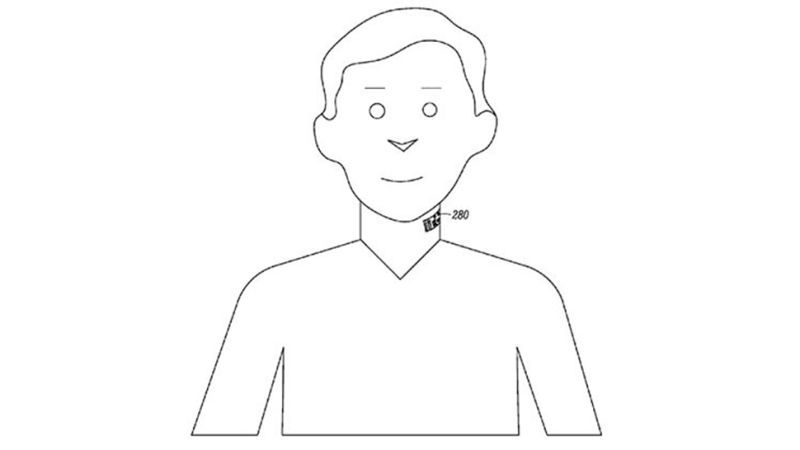
This patent “coupling an electronic skin tattoo to a mobile communication device” by Motorola does exactly as it says. The process can include an embedded microphone, and a transceiver for enabling wireless communication. The idea is to allow communication through the process of just talking while also eliminating background noise, which the embedded microphone allows for an easier process of.

The definition of tattoo may change over time, especially with today's digital capabilities. In an article by ANIMAL New York, artist Anthony Antonellis implanted a small NFC/RFID chip into his hand, encased in glass and equipped with an antenna. It holds 1 KB of data and is readable by a key fob. For now it only holds a small, rainbow gradient gif. In the future, this chip could also be changed to hold different artwork. Antonellis says, "Think of it as a changeable, digital net art tattoo." Tattoos have always been thought of as permanent, but that definition might change in the near future with "digital" tattoos such as this one.
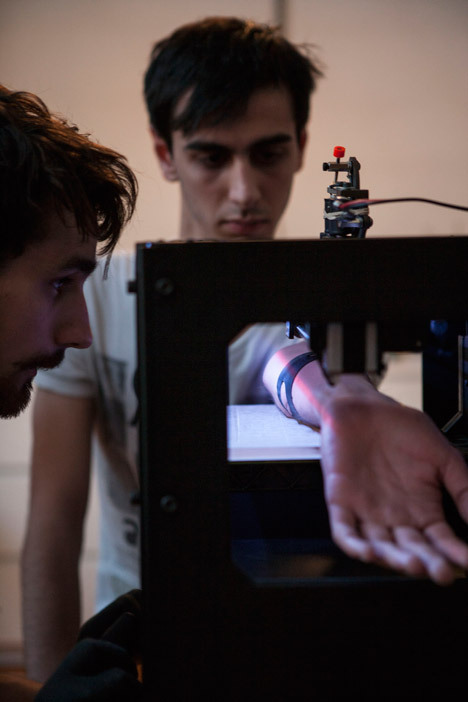
Tatoué is a cross between a Makerbot 3D printer and a tattooist's needle – a small handheld machine that inserts ink into a person's skin using a sharp point, puncturing the skin up to 150 times per second. The needle replaces the part of the printer that would usually extrude melted plastic to make objects, and has been adapted using bespoke 3D-printed parts. A sensor reads the surface of the skin of the user, meaning the needle can respond to changes in skin texture and the dimensions of the limb. Because this is such a new idea, there is a lot of improvements still needed. The tattoo machine creator stated "Making the machine more accessible is a challenge. And there are many possible future applications – in medicine or in fashion – but our priority is a third version of the machine, which will be able to tattoo any part of the body using a specific architecture. We are currently working on this."
An Artistic Advancement
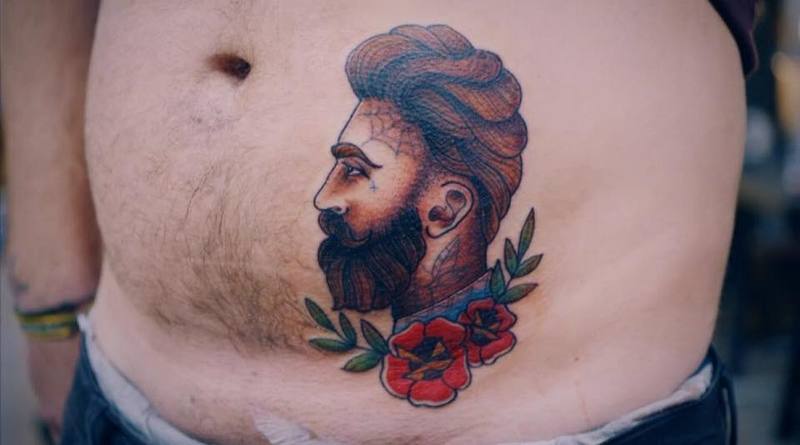
A blog that describes the writers' disgruntled views to the lowering of tattoo standards in the U.K. and expresses their desire for better education for tattoo artists. The blog educates readers on the difficulties and bad results from “tattoo fixers” and encourages readers to spread the word. It is also made clear that tattoos are permanent choices, and that “Tattoo Fixers” only exist because of the influx of bad tattoo artists in the industry.
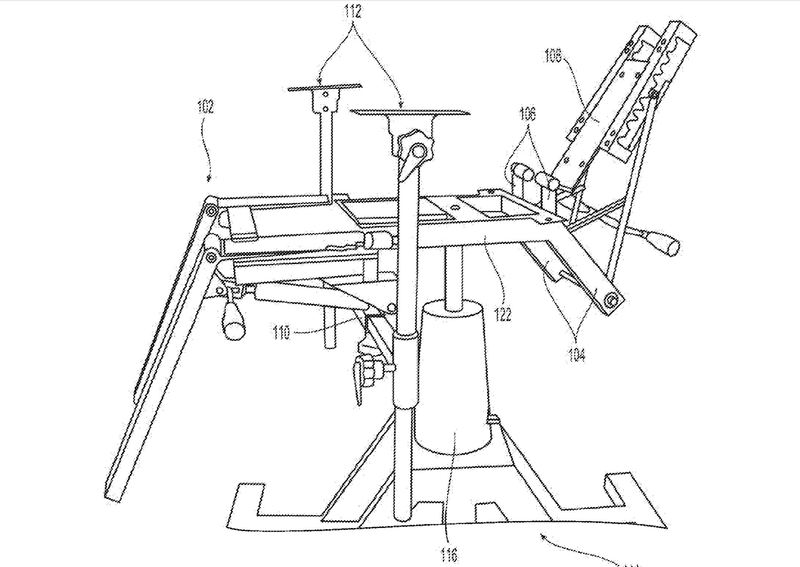
The “Apparatus for Support During Tattooing” patent is a key discussion point for the future of tattoos. The purpose of the patent is to create a comfortable environment for both the person being tattooed and the tattoo artist. The main need for the chair is comfort, and allows the inclining and declining of different limbs so the skin will stretch and the client will be comfortable during the process. This patent may conclude that the tattoo industry is booming. Instead of using used dentist or massage chairs, tattoo businesses will begin to purchase chairs for the use of tattooing. To put so much money into a patent like this, means the tattoo industry will only grow from here. As mentioned in the tattoo blog about tattoo artists campaigning against tattoo “fixers,” this patent will succeed in improving the quality of the tattoo applied, which will diminish the need for these “fixers.” Overall, this apparatus has a lot to say about the future of tattoos.
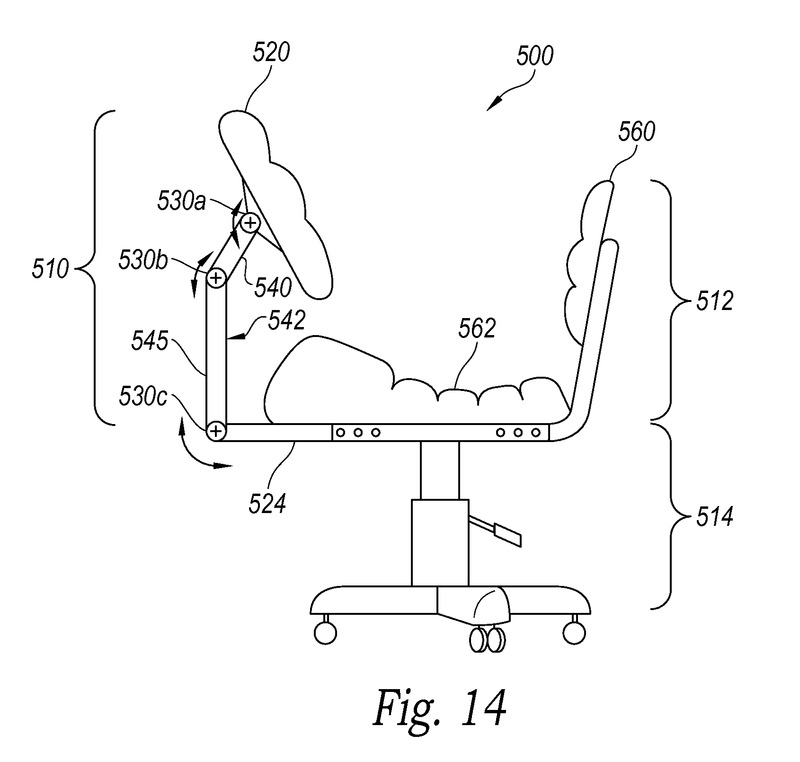
The newest patents can give insight to where the future of tattoo technology is going. A tattoo chair (or stool) patented by Kevin Richardson and Edgar Zavala on September 27, 2016 is designed for the comfort of the tattoo artist. They claim that regular desk chairs and stools can fatigue the artist working for long periods of time. This chair has a flexible backrest and armchairs, that will ideally reduce pain in the lower back and arms while the artist is working. As tattoos have become more popular, their technology has developed as well. Where before tattoo popularity a regular chair and table might have been used as furniture for a tattoo artist, now specialized machines have come about just for this specific purpose.
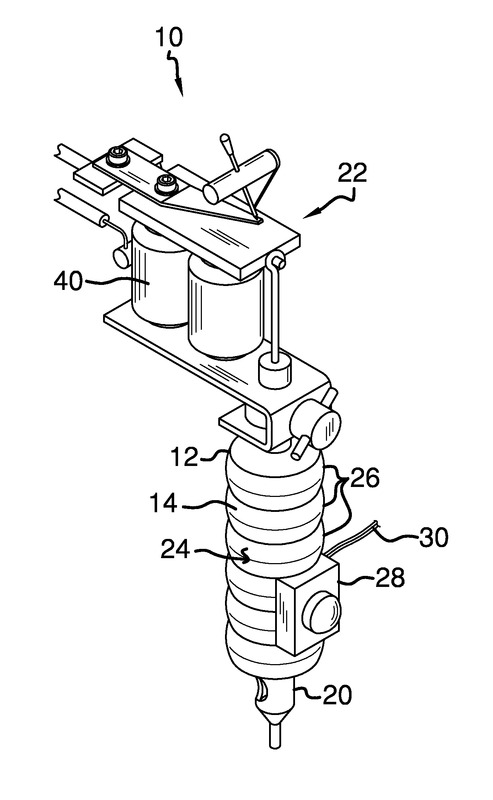
This patent paves the way of future tattooing by seeking to give the tattoo artist a better, more comfortable instrument. This patent describes a tattoo gun switch assembly by replacing the foot switch with a hand switch built into the tattoo gun. This gun also includes a comfortable grip around a cylindrical shaped gun. This patent shows that the tattoo industry is growing, now that more products are starting to be designed to benefit tattoo artists and improve the quality of the consumers’ tattoos.
A focus on safety
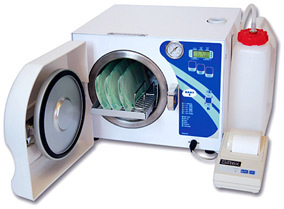
The argument between disposable needles/equipment and sterilized ones has been ongoing for a long time now. A thread illuminating the pros and cons of each technique is presented then discussed. The main outcome of the thread is that the cleaning of equipment needs to change and improve so that it’s shared among every tattoo business. Some highly prefer one over the other, because both have their cons. For the future, tattoo clients are looking for an improved and universal way to clean tattoo equipment.
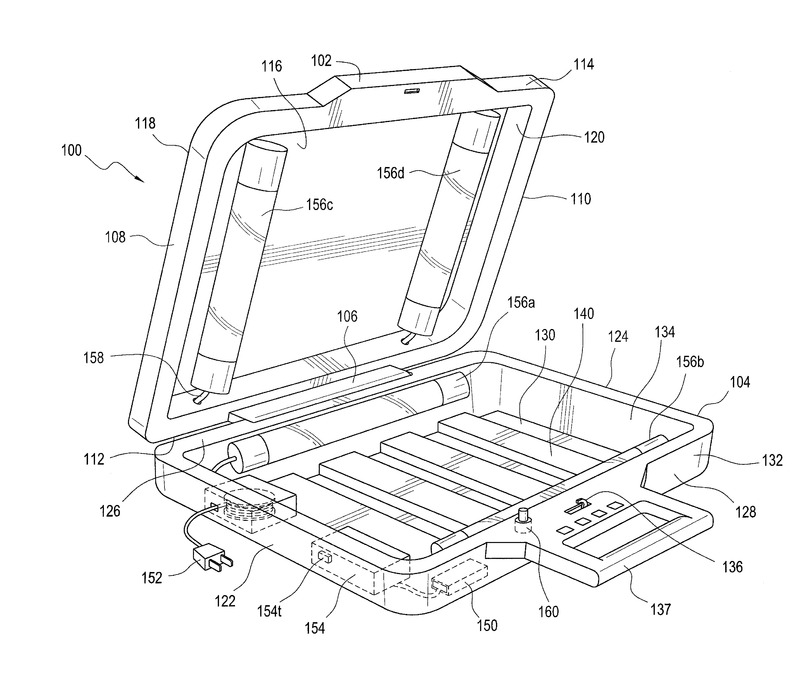
The patent depicting a sterilization case for a tattoo professional is yet another innovative technology that was developed to make the spread of tattoos in the future more safe and more efficient. Not only is safety emphasized with a sterilization case, but also mobility, as the case can be taken anywhere. This shows that the future of tattooing is looking at mass expansion and mobilization of artists for ease of tattooing.
Science fiction portrays tattoos as meaningful symbols
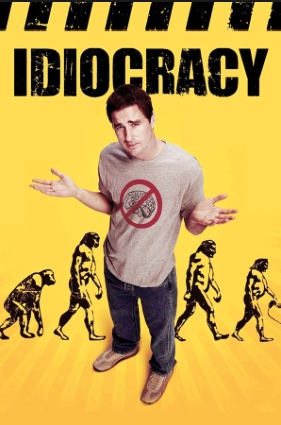
As tattoos have become more popular and mainstream throughout society, there has been more debate on whether or not to use tattooing as a way to implement technology. While companies such as Motorola are pursuing patents in the use of tattoos for communication, the movie Idiocracy deals with idea of using tattoos for a permanent barcode which allows for the individual to control their identity and finances all off of their arm. But one must be careful, because once implemented, there is no going back. While the larger concept of the movie concerns the education of the general public, it also shows the consequences of not being ready for certain situations such as getting a tattoo.
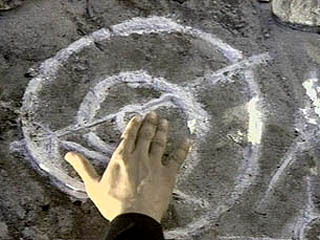
Star Trek: Voyager released the episode “Tattoo” in 1995. Star Trek has always been well known for its incredibly advanced technology, and its comparison to current-day technology is astounding. This episode of Star Trek is about the relationship within a tribe, and how tattoos represent and identify tribes. The character Chakotay has a tattoo printed on his forehead from his tribe when he was younger, and when he runs into a tribe of people he discovers that they are from his tribe, and only realized that because of the tattoo. This represents the beginning of tattoos, when they were used solely for identifying tribe members. Now-a-days, tattooed people have sort of an unspoken community amongst them. They are still a little looked down on in the eyes of employees
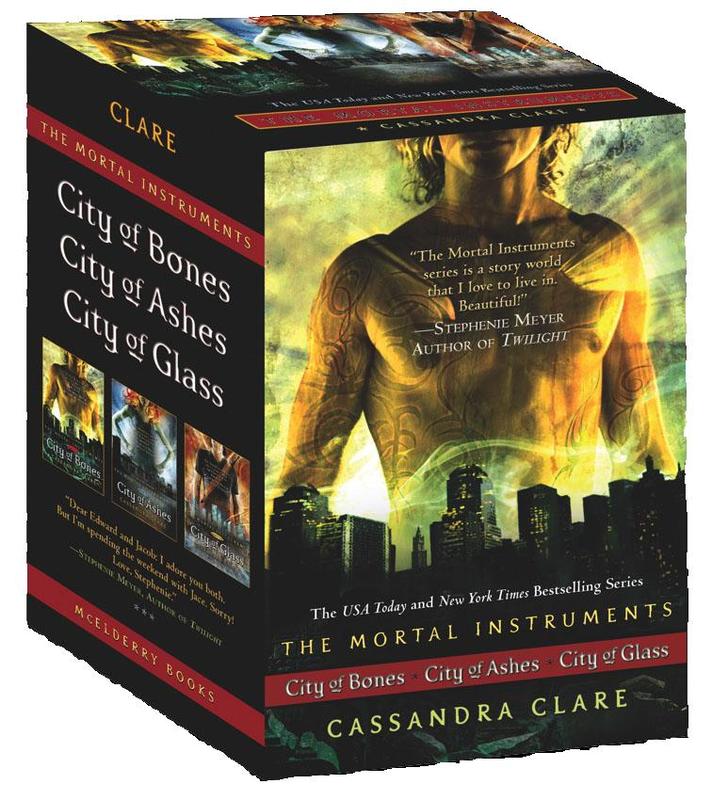
The tattoo popularity boom was not limited to one age group. Tattoos are becoming more mainstream among the elderly, teenagers, and everything in between. A young adult novel series by Cassandra Clare is called The Mortal Instruments, and features a group of teenagers that hunt monsters. Each time someone kills a monster, a tattoo appears on their body permanently. The teenagers also have healing tattoos that when drawn on the body give them powers useful for fighting. Besides the concept of teenagers having tattoos being more normalized, these novels associate tattoos with significantly important personal events. In the future, as tattoos become more mainstream, will they still be meaningful and unique (such as in The Mortal Instruments) or become standardized (such as in Idiocracy)?