Cosmetics - Introduction
WHAT ARE COSMETICS?
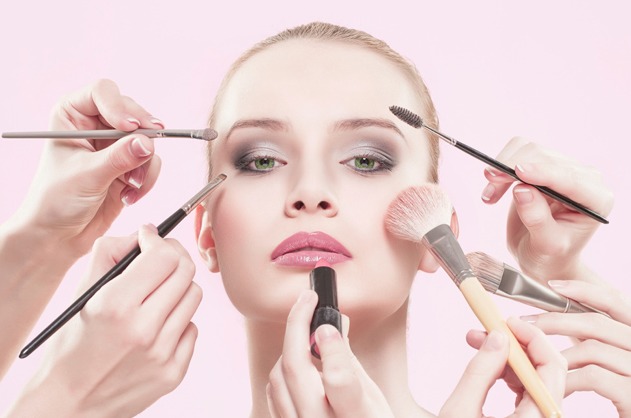
The concept of cosmetics is a widely discussed topic. Everyone seems to have a different idea of what cosmetics are. “The Oxford English Dictionary states that cosmetics includes both of the following: having power to adorn, embellish or beautify (esp. the complexion) & they affect appearance only; superficial; spec., intended merely to improve appearances.” This definition implies that cosmetics is only for superficial purposes rather than therapeutic. This definition then offers a very wide category of products. In our project we specifically looked at the use of makeup. This single form of cosmetics alone has been shown to have a wide variety in the market. Makeup in general is used to enhance the appearance through “disguising” your real self by a little or by a lot. We specifically wanted to research why people use makeup the way they do and what it consists of. We also looked at different societies perspectives on makeup and how the producers adapted to what the public wanted. Makeup has been a constantly evolving product for many decades and will most likely continue to be in the future. As with most technologies it started out one way and has continued to change and progress since then.
WHO ARE COSMETICS FOR?
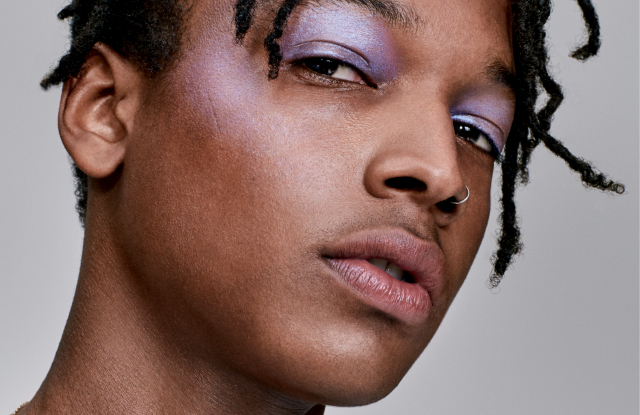
It is admittedly difficult to define cosmetics from a technological and societal standpoint without considering who they are made for and their intended use within that respective group. These questions and their respective answers have evolved over time to accommodate a wide variety of relevant social groups, and as a result, a majority of the questions considered when producing cosmetics have been questions of inclusivity, appearance, and performativity. Does one wear makeup for their own benefit, or for a societal boost in esteem? Is makeup worn as an act of rebellion or to better conform with popular society? Does makeup allow for a choice in identity, or does it impose one of its own on the wearer? Who are cosmetics for, and who decides what the technology’s purpose is? While you read, be sure to consider the questions posed above, as this exhibit seeks to explore these inquiries through further research into the past, present, and future of cosmetics and the conversations and debates that arise in and between these periods. When you reach the end of these collected analyses, ask yourself again: “What are cosmetics, and who are they for?”. Your conclusions may surprise you.