Virtual Reality - Present

What is VR?
Virtual Reality is often described as an environment that gives the illusion that someone is present where they actually aren't. It allows for the immersion of an individual into a fabricated reality that can either reflect an aspect of our own, or bring forth a world unique to whatever medium is presented to the user. Jaron Lanier, named "The Father of Virtual Reality" formed the company VPL Research in 1984 and with the company broke ground and greatly advanced the field of VR, propelling the technology into what we know it as today. Some of the many creations that were used include the DataGlove, which was later adapted into forms such as the Nintendo Power Glove, and of course the ever useful Body Electric, which served as the base programming language for future VR products.
However, VPL eventually did go bankrupt, and was purchased by Sun Microsystems, which led to the obscuring of what would happen to VPL's specific patents, but as seen from several creations for modern VR, their impact is clearly seen.
As Virtual Reality began to hit more and more advancements we arrived at products such as the HTC Vice and the Oculus Rift.
VR in Advertisements and Gaming
Entertainment is the main reason why Virtual Reality was created, to enhance the experience of people who play games by raising the level of immersion to one previously unknown. While VR was first released with a couple of games to come with it, they were not very well received, as the companies behind the headsets mainly used these games as ways to showcase the functions and capabilities of their new technology.
This quickly turned around with certain developers joining in on the new invention, with games like Beatsaber and Sairento VR (a game where you behave as a ninja in a futuristic setting) making their entrance. Beatsaber, on one hand, has been held as one of the most positively reviewed games on Steam and continues to gain a growing and dedicated fanbase. On the other hand, Sairento VR, while still garnering an impressive review score on Steam, holds far less value in the VR community because of its lack of replayability and somewhat stiff movement options. Other games, like Skyrim, Subnautica and Minecraft, are VR adaptations of already popular PC games. This allows for the huge obstacle of a lack of motivating factors in a consumer to purchase VR, due to the lack of content, to slowly but surely be crossed. Other games, like the in-development Nostos, are trying to emphasize VR’s role as a supplement and enhancement device for PC gaming. Nostos is focusing on creating a game that has a community with PC players, while having an option to use a VR headset to increase the already immersive world building.

This panoramic image is an example of a 360 degree image that can be displayed in VR headsets. Typically, additional javascript or other code will be used to map gyroscopic sensor data to the image so that the user can look around the environment. In a webpage, the mouse is used to drag the image around to simulate a person looking around.
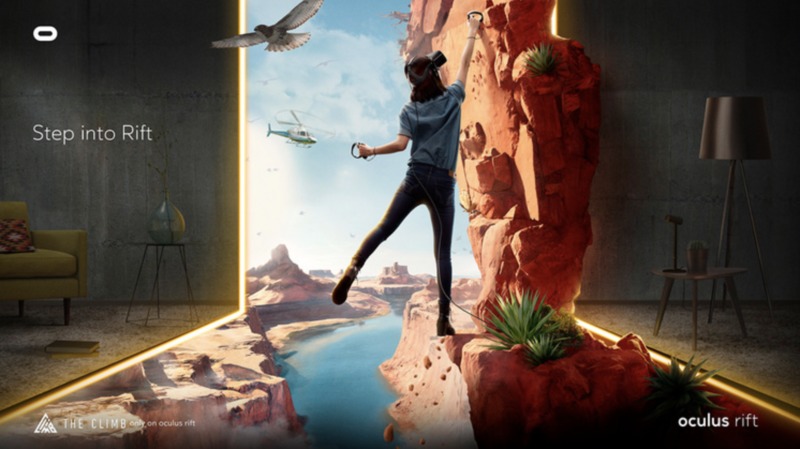
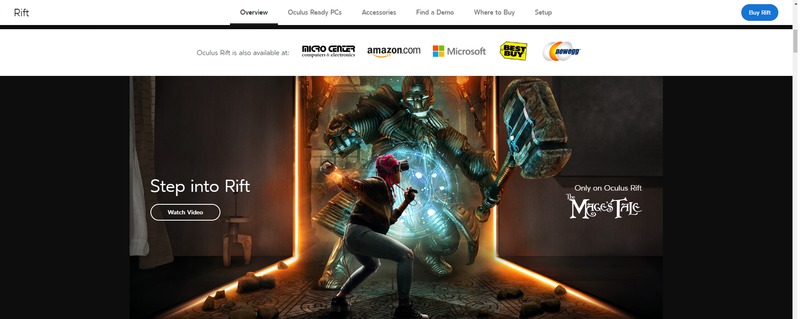
These images were found from the Oculus Rift Website, and each time an individual opens a a new window looking at the Oculus Rift Product, a different individual playing a different game appears. People in these advertisements are often depicted in living room settings. Oculus then splits the middle of the room with a selected game showing the Oculus Rift in "action."Therefore, the audience can imply that the Oculus Rift provides an altered-reality experience that you can have in your very own home. A key point to look at is the fact that the people in these images are not sexualized like other advertisements, signifying that they want VR to be more a recreational activity done by everyone. It is also worth noting that, in the bottom left-hand corner, the advertisers mention the game that is being shown in the advertisement. Therefore, this ad works not only to get people to buy the VR system itself, but also to draw the audience's attention towards certain games.
This is an ad for the HTC Vive, a virtual reality gaming headset. The advertisement shows a man in his living room using the headset, and in the background we can see an expansive ocean. This is meant to illustrate where the Vive can be used and where it can actually take you in virtual reality. It also shows very clearly the main pieces of the Vive's hardware (the headset and controllers), and gives a very general idea as to how they should be used.
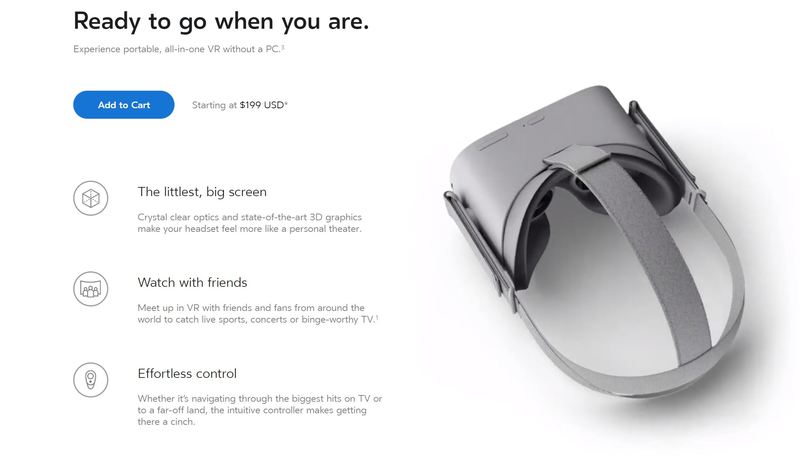
This advertisement makes certain assumptions based on the current state of VR technology and uses. The ad touts about how it can be used without a PC to handle the graphics. It also shows off features such as connecting with others, easy to use controllers, and apps where you can view events in real time. This appeals to people who enjoy playing VR games and going to sports, shows, or other large audience events. The definition of technology through this ad is innovative designs that give solutions to problems we never realized we had (ex: not being able to attend an event so you can view it in VR as if you were there).

A demonstration from the company "Omnivert" to try and sell Virtual Reality itself as a product for advertisement space, in this instance using an ad they had done for Ritz Carlton. This is interesting as it both advertises virtual reality itself, but also cause VR itself to become another platform for advertising. This demonstration of virtual reality advertisement excellently shows how the playing field for demonstrating products and places has evolved by actually being able to ‘transport’ someone into a first hand experience relating to whatever it is that is being sold, be it a vacation spot, a car, or even in one case that was found, showing the journey of how a soft drink ends up on shelves. This leads us to not only consider how virtual reality is advertised for the experience not only for the user, but also shown as an avenue for those who wish to reach that user.
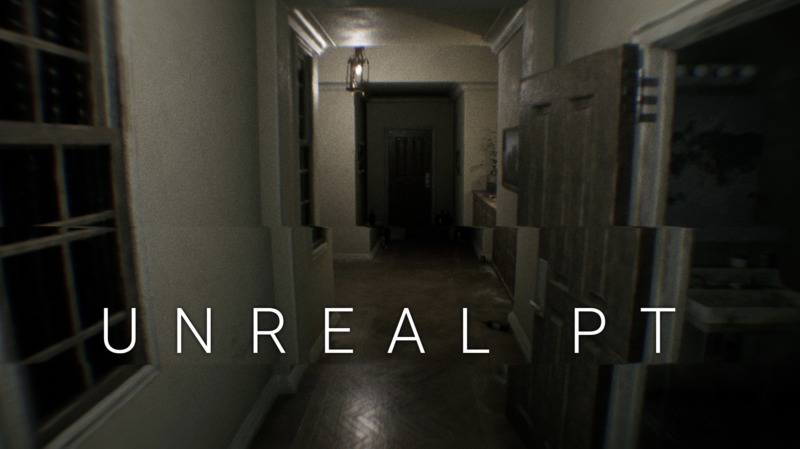
Many game developers have started adapting regular video games to be used in virtual reality. One instance of this is Radius Gordello's remake of Silent Hills P.T., which was originally created for Playstation 4. According to Gordello, the VR version is almost "identical to the original." However, this remake eventually was taken down due to technical issues with the VR.
Other Uses of VR
The innovations brought about by the rise of virtual reality go far beyond the sphere of video games. One area that has been very heavily impacted by virtual reality is the realm of medicine. Virtual reality has been extremely useful in a myriad of different ways. One of the most instrumental advancements it has created is that it can be used to better train doctors, more specifically surgeons, for proper surgery. Since VR is meant to immerse you as much as it can in a new reality, a doctor can act out srugery on a body that isn't even there. It can even be used effectively during live surgery. VR has helped pioneer image-guided surgery, a kind of technology that would use VR imagery to help guide the surgeon throughout the operation.
On the other side of the equation, virtual reality has opened up tons of doors for new treatements for patients. This can be as simple as using VR to accelerate physical rehabilitation by immersing you in scenarios that can help alleviate pain or push your body into overdrive, to treating psychiatric conditions such as addictions or mental syndromes by making use of a nonexistent reality.
All of this comes together to present the world of medicine and health with a goldmine of potential for the future of surgery and healthcare.
Current Concerns
There are many potential concerns to consider in terms of virtual reality, including ethical, psychological, and physical health issues.
In an ethical sense, virtual reality is an extremely immersive experience -- therefore, there is much debate about the situations in which an individual is placed. Many virtual experiences can be incredibly violent, and therefore it is possible that these experiences could impact an individual's perception of the real world. In addition to this, after committing a violent act within a simulation, people may come to the realization that they are capable of committing violent acts, should the situation require one to do so.
In terms of psychological effects of virtual reality, it is possible that frequent users could eventually confuse reality with a simulation, as the simulations in VR can often be incredibly detailed. This may impact how a person acts in their everyday life.
Physically, VR can cause a range of issues, such as nausea, headaches, eyestrain, loss of balance, and other physical harms due to bumping into nearby objects. Medical implants can also be affected by the magnets within the headset.